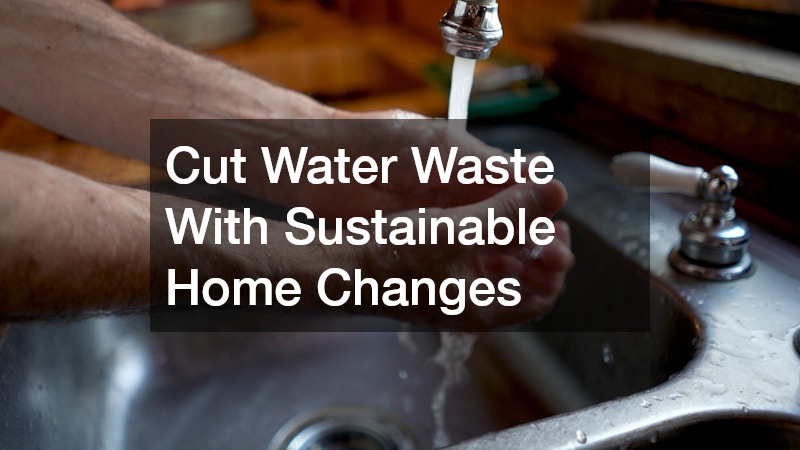
Sustainable living is more than installing solar panels or using energy-efficient appliances—it extends to how we manage water and waste in our homes. Properly maintained septic systems are a crucial part of an eco-friendly home because they prevent contamination, protect groundwater, and reduce the overall environmental footprint of residential living. When septic systems are neglected, they can cause costly repairs, damage landscaping, and contribute to pollution in nearby rivers, lakes, or wells.
For homeowners striving to maintain a green lifestyle, integrating septic care into broader home maintenance strategies is essential. From inspecting pipes to monitoring water usage and planning energy-efficient upgrades, there are several ways to align septic system care with environmental sustainability. Understanding the components of your septic system, recognizing common issues, and taking proactive steps can save money while supporting the health of your local ecosystem.
Understanding Your Septic System

A typical septic system consists of a tank, pipes, and a drainage field. Wastewater flows from the home into the septic tank, where solids settle, and liquids move through the pipes to the drain field for natural filtration. Knowing how your system operates is key to preventing issues such as blockages, leaks, and contamination.
Signs of trouble include slow-draining fixtures, foul odors, and pooling water near the drain field. Early detection of these problems allows homeowners to address them before they escalate into major repairs. Regular inspections by a professional can identify hidden issues, such as cracked pipes or inefficient tank capacity, which ensures that your system operates efficiently while reducing environmental impact.
Regular Septic Tank Maintenance for Long-Term Efficiency
Maintaining your septic system is one of the most effective ways to ensure longevity and prevent environmental contamination. Routine inspections and preventive care keep solids from entering the drain field, which can reduce the need for costly interventions later. Professionals performing septic tank maintenance will check for leaks, cracks, and proper sludge levels to confirm your system is functioning optimally.
Homeowners who are proactive about septic care can prevent small problems from escalating into major system failures. Understanding how your system reacts to household water usage and waste patterns helps you plan maintenance schedules more effectively.
Actionable tips for maintenance include:
- Keep a log of pumping and inspection dates to track system health.
- Avoid flushing non-biodegradable items that can block pipes.
- Use water efficiently to reduce strain on the tank and drain field.
By following these guidelines, homeowners create a routine that prevents minor problems from becoming major emergencies. Consistency in septic tank maintenance also helps reduce environmental risks and keeps your system running at peak efficiency for years to come.
When and How to Schedule Septic Pumping

Septic pumping is necessary to remove accumulated sludge and prevent system overflow. The frequency of pumping depends on household size, tank capacity, and usage patterns. For most households, pumping every three to five years is recommended, though larger families or properties with high water usage may require more frequent service.
Proper timing for septic pumping ensures the system remains functional and avoids costly repairs. Understanding when your tank is nearing capacity allows you to plan in advance and reduce the risk of overflows or backups.
During septic pumping, a professional will remove solids and ensure that tank components are functioning properly. Homeowners should consider eco-conscious disposal practices, such as working with contractors who adhere to local environmental regulations. Simple preventive measures include:
- Reducing water waste during laundry and dishwashing.
- Avoiding the disposal of cooking grease, coffee grounds, and chemicals into sinks.
- Scheduling routine inspections to prevent costly repairs.
Implementing these preventive strategies not only extends the life of your septic system but also minimizes stress on the local environment. Households that maintain a regular pumping schedule experience fewer backups and lower overall maintenance costs, making it a key part of eco-friendly home management.
Choosing the Right Septic Service Provider
Selecting a qualified septic service provider is essential for both system longevity and eco-friendly management. A reputable company will conduct inspections, pump tanks, and repair components in accordance with local regulations. Asking about certifications, references, and environmental practices can help identify a provider committed to sustainable methods.
Choosing the right provider requires careful consideration of experience, reputation, and commitment to environmentally responsible practices. Homeowners should be aware that not all providers follow sustainable procedures, so asking targeted questions can make a significant difference.
Key considerations for hiring include:
- Confirming experience with residential septic systems similar to your property.
- Checking whether the company follows environmentally safe disposal methods.
- Inquiring about guarantees or warranties for services performed.
Working with a knowledgeable provider ensures that maintenance and repairs are done correctly the first time, reducing the risk of costly emergencies. An experienced septic service can also offer guidance on sustainable upgrades and best practices, helping homeowners align their septic management with broader eco-friendly goals.
Upgrading Your Sewer Lines for Eco-Friendly Performance

Sewer lines play a vital role in the proper functioning of your septic system. Damaged or deteriorating pipes can cause leaks, backups, and contamination of the surrounding soil and water. Investing in timely sewer line repair not only prevents costly emergencies but also supports sustainable water management.
Upgrading sewer lines requires understanding which materials and methods are safest for both the home and the environment. By taking proactive steps, homeowners can extend the lifespan of their system and reduce unnecessary waste or environmental damage.
Tips for eco-friendly upgrades include:
- Using durable, non-toxic materials for pipe replacement.
- Regularly inspecting lines for root intrusion, cracks, or corrosion.
- Installing trenchless repair methods that minimize soil disruption and landscaping damage.
These strategies not only improve the efficiency and lifespan of your sewer system but also minimize environmental disruption during repairs. By selecting the right materials and methods, homeowners can protect both their property and the surrounding ecosystem.
Eco-Friendly Drain Solutions
Drain pipe lining is an effective solution for repairing damaged pipes without extensive digging or disruption. By inserting a protective liner into existing pipes, homeowners can prevent leaks, blockages, and contamination, while also extending the lifespan of their plumbing infrastructure.
Maintaining drains with preventive care can reduce the need for major repairs and keep wastewater flowing efficiently. Proper attention to drain health helps safeguard septic systems and protect water quality.
Simple strategies for maintaining drains include:
- Regularly cleaning sinks and tubs to prevent buildup of grease and debris.
- Avoiding the disposal of harsh chemicals that can damage the lining.
- Monitoring water pressure and flow to detect early signs of clogs.
Following these maintenance tips ensures that drain systems remain functional and reduces the likelihood of costly interventions. Proper drain care protects both your plumbing infrastructure and the surrounding environment, aligning perfectly with a sustainable home strategy.
Integrating Plumbing Upgrades With Green Practices

Routine plumbing service ensures your home’s water system functions efficiently, reduces waste, and prevents strain on your septic system. Issues such as leaks, clogs, or inefficient fixtures can increase water usage and contribute to environmental stress.
Investing in plumbing upgrades offers long-term savings and improved system reliability. Homeowners who address plumbing inefficiencies early can prevent damage to both their septic system and the environment.
Homeowners can adopt sustainable plumbing strategies, including:
- Installing low-flow toilets and faucets.
- Fixing leaks promptly to prevent water loss.
- Scheduling regular check-ups with a licensed plumber.
By implementing these upgrades, homes can significantly reduce water consumption while maintaining the efficiency of septic systems. Proper plumbing maintenance also reduces the risk of environmental contamination, making it a critical component of a green living strategy.
Energy Efficiency and Home Systems Connection
Energy efficiency in your home impacts more than your utility bills—it can affect water systems and septic health. For instance, a poorly functioning heating system can contribute to uneven temperatures and strain on water pipes. Timely furnace repair ensures consistent home heating, which indirectly protects your plumbing and septic infrastructure.
Addressing energy efficiency alongside septic system care helps homeowners maintain both water and energy conservation. A well-maintained heating system reduces the risk of pipe damage that could compromise septic performance.
Additional recommendations include:
- Inspecting ductwork and vents for leaks to maintain consistent temperature.
- Replacing outdated furnace components with energy-efficient options.
- Scheduling routine maintenance to prevent unexpected breakdowns.
Addressing heating efficiency not only reduces energy consumption but also helps maintain consistent water flow and pipe integrity. These improvements work hand-in-hand with sustainable septic practices, making your home more resilient and eco-friendly.
Improving Insulation for Water and Energy Savings
Proper insulation plays a crucial role in protecting your home’s plumbing and enhancing energy efficiency. An insulation contractor can help seal walls, attics, and pipes, which reduces heat loss, prevents frozen or burst pipes, and supports overall home sustainability.
Well-insulated homes experience fewer plumbing issues and lower energy bills. Protecting pipes from temperature extremes ensures that your septic system operates efficiently and minimizes the need for repairs.
Homeowners can take specific steps such as:
- Insulating exposed water pipes in unheated areas.
- Using eco-friendly insulation materials with high thermal performance.
- Checking for drafts around plumbing areas and sealing gaps.
Enhancing insulation reduces energy waste while also preventing damage to plumbing systems that could compromise septic performance. It’s a simple yet effective way to align home comfort with sustainable practices.
Sustainable Bathroom Remodeling Practices
Bathroom remodeling service projects provide an opportunity to integrate sustainable features that reduce water consumption and protect septic systems. Selecting water-saving fixtures, eco-friendly materials, and efficient layouts can minimize strain on the entire wastewater system. Thoughtful selection of ventilation and lighting can further enhance energy efficiency while maintaining a healthy indoor environment.
Planning bathroom upgrades carefully ensures that both functionality and sustainability are considered. Homeowners can choose solutions that support long-term efficiency without compromising comfort or design. Considering the placement of plumbing fixtures and storage can optimize water use and simplify future maintenance of the septic system.
Tips for sustainable remodeling include:
- Installing dual-flush toilets and low-flow showerheads.
- Choosing natural or recycled materials for countertops and flooring.
- Designing layouts that reduce unnecessary plumbing runs and water waste.
Incorporating these strategies ensures that remodeling projects enhance both the efficiency and sustainability of your home. Thoughtful bathroom design can dramatically reduce water usage while supporting the long-term health of your septic system.
Choosing a Reliable Septic Tank Service
When your septic system requires specialized attention, a qualified septic tank service provider ensures proper care and environmental compliance. These professionals have the equipment and expertise to perform thorough inspections, cleaning, and repairs, identifying issues that might not be visible to the untrained eye. They can evaluate tank integrity, monitor sludge levels, and ensure that both the tank and drain field are functioning efficiently. By handling maintenance and repairs in an environmentally responsible manner, a reputable provider helps prevent contamination of soil and groundwater, protecting both your property and the surrounding ecosystem.
Choosing a reliable provider allows homeowners to address issues promptly, avoiding costly system failures or emergency repairs. Experienced contractors can offer tailored advice on sustainable practices, such as eco-friendly cleaning methods, proper waste disposal, and preventive maintenance schedules. They can also recommend improvements to extend the life of your system, reduce water usage, and minimize strain on your septic infrastructure. Partnering with a knowledgeable septic tank service ensures that your system remains efficient, safe, and aligned with your overall goal of maintaining an eco-friendly home.
Advice for selecting a provider:
- Verify that the company follows local disposal regulations.
- Ask about environmentally safe treatment methods and preventive programs.
- Confirm experience in both routine maintenance and emergency situations.
A reliable septic tank service not only addresses immediate needs but also offers guidance for long-term sustainability. By partnering with professionals who prioritize eco-friendly methods, homeowners can ensure a healthy septic system and reduce environmental risks.
Maintaining a sustainable home requires attention to all aspects of water and waste management, including septic systems. By combining proactive maintenance, eco-conscious upgrades, and regular professional services, homeowners can protect their property, reduce environmental impact, and enhance overall home efficiency.
From monitoring water usage to selecting green remodeling options, every action contributes to a healthier, more eco-friendly living environment. Investing in these practices ensures your septic system operates efficiently, your home runs smoothly, and your local ecosystem remains protected for future generations.