Water is a fundamental resource for any household, critical not only for drinking and cooking but also for maintaining hygiene and sanitation. Ensuring the safety of your home’s water supply is paramount for health and well-being. This becomes particularly important for homeowners relying on deep water well drilling and septic systems, where water quality is not monitored by municipal services.
Deep water well drilling acts as a lifeline, tapping into underground aquifers to provide clean water. These wells often require significant investment in both initial installation and ongoing maintenance. Regular checks and well pump service are essential to ensure that the water remains potable and free from contaminants.
Septic systems, on the other hand, deal with waste management, processing wastewater from your home. Proper septic services, including timely septic tank pumping, are critical to prevent contamination of groundwater sources and subsequent pollution of the well water. Maintaining these systems ensures efficiency and safety in waste disposal.
Clean water is essential for all facets of life, and access to it must be protected through using well-established techniques like deep water well drilling and consistent septic services. These processes highlight an interconnectedness where the failure of one system can affect the other, emphasizing preventive care. By understanding these systems’ functions and needs, homeowners equip themselves to safeguard their families’ health.
Urban areas often benefit from regulated water sources; however, rural homes must rely on these specific methods. In these cases, homeowners shoulder the responsibility of maintaining water quality, as well drilling services ensure the delivery of clean, uncontaminated water. Training oneself on proper maintenance of these systems supports both environmental and health standards.
In an era increasingly aware of ecological and health issues, maintaining clean water stands as a crucial task. Essentially, sustainable practices like septic replacement and flood control services help protect water resources for future generations. Proactive maintenance not only assists individuals but contributes to a larger ecological balance.
Understanding Drilling
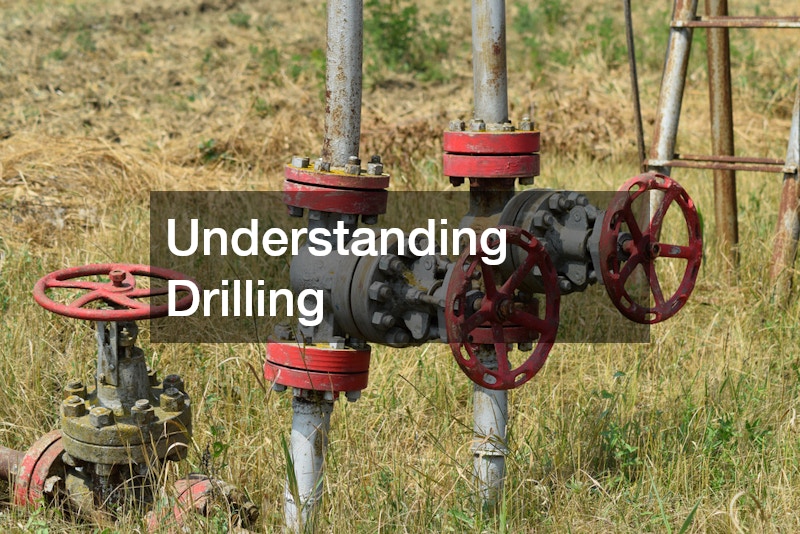
Deep water well drilling involves creating a borehole deep into the earth to access groundwater supplies. The process is complex and requires expertise from professionals offering well drilling services. The depth of the well affects the quality of water that is retrieved, as deeper wells generally reduce the risk of contamination.
Engaging reliable well drilling services ensures that the well is constructed following the best practices and regulations. This includes proper casing and sealing of the well to protect against surface contaminants. Additionally, regular well pump repair and maintenance are vital to keep the water flowing smoothly and reduce the chances of mechanical failures.
Wells are typically equipped with pumps that help transport water from the aquifer to the surface. These well pumps need regular service, especially because they work continuously and are subject to wear and tear. Ensuring they are in top condition prevents interruptions in water supply.
A successful deep water well drilling operation relies heavily on geological surveys and soil assessments. This preparatory work helps in selecting the optimal location for the well, ensuring maximum yield and longevity. By analyzing the rock formations and groundwater patterns, professionals can determine the appropriate drilling techniques that align best with the environmental conditions present.
Innovations in technology have introduced new, more efficient drilling methodologies that offer reduced impact on the environment. Modern drilling machines are equipped with sensors and controls to precisely monitor the drilling process, making it safer and more efficient. These advancements in well drilling services help maintain the balance between accessing fresh water and preserving natural landscapes.
Consistent monitoring and aftercare are crucial post-drilling to preserve the health of the well and the integrity of the water resource. Subscribing to regular well pump service ensures that both yield and water quality remain at optimum levels. This ongoing maintenance plays a crucial role in prolonging the well’s service life, firmly securing your clean water supply.
Water Safety
Septic systems are a crucial component in managing household waste, especially in rural areas where public sewage systems are unavailable. These systems treat and dispose of waste onsite, thereby protecting nearby bodies of water from contamination. Regular septic services are necessary to maintain the system’s efficiency and longevity.
Properly functioning septic systems prevent harmful bacteria and chemicals from entering the groundwater. Regular septic tank pumping is one of the most important maintenance tasks. This involves removing solid waste that accumulates at the bottom of the tank, which if left unchecked, can lead to system failure or groundwater pollution.
Septic systems sometimes require drain field repairs, as these components are essential for treating wastewater before it seeps into the soil. Damage or failure in the drain field can lead to unsanitary conditions and must be addressed promptly to protect water quality.
Understanding how septic systems work illuminates the importance of rigorous maintenance schedules. These systems use natural processes to remove contaminants in wastewater, providing an effective solution where centralized sewage systems are unavailable. By investing in regular septic services, homeowners fortify their defense against water pollution, protecting local waterways.
Technological improvements continue to enhance septic system designs, making them more efficient and environmentally friendly. Advanced systems can reduce waste water’s biological load before it enters the drain field, minimizing environmental impact. Such advancements require expert installation and maintenance, underscoring the need for professional engagement in septic replacement endeavors.
The assurance that comes from a well-maintained septic system adds value not only to residential properties but also to broader ecological health. Reliable septic and well pump service cooperation recalibrates existing systems, enhancing both water safety and sanitation standards. As awareness grows, more homeowners are recognizing the positive outcomes of investing in these essential services.
Ensuring Effective Well Pumping
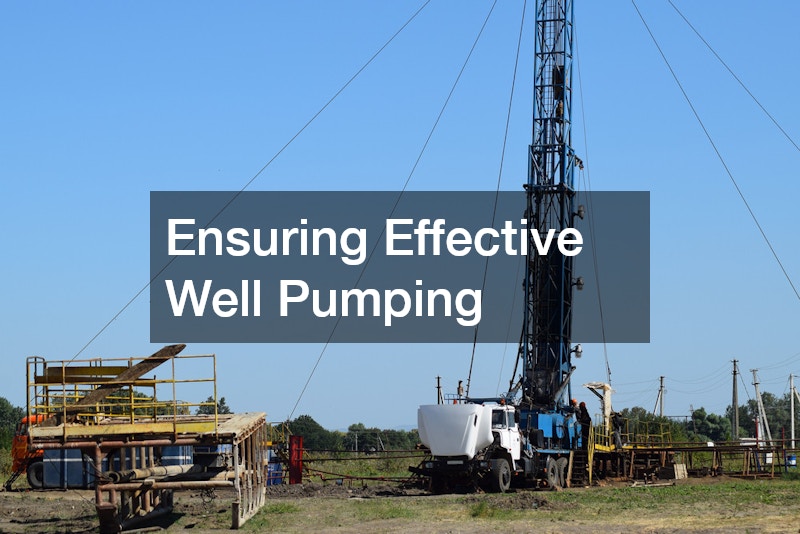
The well pump is a crucial component in your water system, pulling water from the well and delivering it to your home. Regular well pump service is key to avoiding disruptions in water supply. Service experts examine pumps for efficiency and look for signs of wear that could lead to failure.
The importance of well pump repair cannot be overstated, as even minor issues can escalate into major problems, affecting the water supply. Regular inspections and maintenance routines help identify potential issues before they can cause significant damage or service interruptions.
Engaging professionals for well pump service ensures that repairs are handled correctly and efficiently. This not only prolongs the life of the well pump but also guarantees that water quality remains uncompromised, protecting your household from potential contaminants.
Modern well pumps are engineered to handle various capacities; however, they must be precisely aligned with your water demand and the depth of the well. Selecting the right pump and ensuring it meets the specific needs of your household ensures optimal performance and efficiency. Regular well pump service aids in diagnosing any misalignment and facilitates timely corrective measures.
Predictive maintenance through advanced monitoring technologies can help prevent unexpected pump failures. Techniques such as vibration analysis and thermography allow service specialists to anticipate issues before they escalate into critical failures. Utilizing these technologies ensures that well pump repair remains preemptive rather than reactive.
The synergy between well drilling services and consistent well pump maintenance guarantees an uninterrupted, clean water supply. With routine checks, potential issues can be resolved quickly, minimizing downtime and subsequent impacts on water availability. Trusting experts to handle upkeep prevents poor system performance and extends the functional lifespan of critical infrastructure.
Replacements and Upgrades
Over time, every septic system will require upgrades or septic replacement due to wear and tear or increased household demands. Septic replacement can be a substantial undertaking, but it offers long-term benefits in terms of improved performance and reliability.
Upgrading or replacing outdated septic systems can enhance their efficiency and reduce the risk of failures that could lead to costly drain field repairs. An efficiently running system is less likely to contribute to groundwater contamination, ensuring the safety of your home’s water supply.
When considering septic replacement, it’s vital to work with professionals who understand the intricacies of septic services. Skilled experts can recommend the best solutions that balance cost-effectiveness and functionality, taking into account the specific needs of each household.
Assessing when a septic replacement is necessary involves careful evaluation of the system’s current condition and performance metrics. Slow drainage, foul odors, and increased frequency of septic tank pumping may indicate the need for upgrading the existing system. Expert inspection can guide this decision-making, helping to prolong the system’s effective operation.
Innovations in septic technology offer new materials and designs that enhance system durability and functionality. From more robust tanks to advanced filtration modules, these components can significantly increase the system’s overall efficacy. Engaging professionals for installation ensures that these technologies integrate seamlessly into existing setups without disrupting service.
With the right approaches, septic replacement becomes an opportunity to leverage new technologies and bolster system robustness. Not only does this investment protect essential water resources, but it also adds value to the property itself. New systems often provide a better return on investment by minimizing operating costs and reducing the need for future interventions.
Flood Control’s Impact on Water Quality
Flood control services play a significant role in maintaining a safe and reliable water supply. Flooding can lead to contamination of water sources by washing in pollutants, waste, and bacteria. Managing floodwaters effectively prevents such contamination and minimizes its impact on wells.
The installation of systems designed for flood control services can help mitigate the effects of heavy rainfall or storms. These systems are designed to redirect or contain floodwaters, protecting septic systems and wells from overflow and contamination, thus safeguarding water quality.
By implementing effective flood control measures, homeowners can dramatically reduce the risk of water pollution. This not only ensures a clean water supply but also protects the structural integrity of both the well and septic systems.
Effective flood control services start with understanding local topography and potential weather patterns. Weather data and soil studies inform system designs tailored to specific geographic challenges, ensuring maximum efficacy in managing excess water. This strategic planning aids in minimizing the environmental and infrastructural strain during flooding events.
Advanced flood control systems might include natural barriers, such as wetlands or retention ponds, which those systems use to absorb excess rainwater. These natural solutions not only diminish flooding risks but also serve as vital ecological sanctuaries. Integrating these technologies into residential areas can help manage stormwater sustainably, improving overall water management across communities.
Continual evaluation and adaptation of flood control strategies are critical in addressing evolving climate conditions. Upgrades in flood management infrastructure enhance the resilience of residential water systems against contamination threats. Coordinated frameworks between homeowners and services ensure that water quality remains uncompromised despite environmental challenges.
Regular Maintenance for Long-Term Solutions
Regular maintenance is a cornerstone of ensuring the safety and functioning of both water wells and septic systems. Scheduling consistent inspections, septic tank pumping, and well pump service reduces the occurrence of unexpected failures. This proactive approach also extends the life of these systems, resulting in long-term savings.
Part of a comprehensive maintenance plan should include both well pump repair and septic services. These tasks, although seemingly minimal, when neglected, can lead to significant issues including water pollution and high repair costs. Adequate maintenance helps in detecting early signs of wear, allowing timely interventions.
The peace of mind that comes from knowing your water supply is safe and reliable cannot be overstated. Implementing a routine for care and service of these critical systems ensures they perform optimally and continue to provide safe water for the household.
Engaging in regular system checks mitigates unforeseen spikes in repair costs associated with water and waste systems. By identifying small problems through well drilling services and septic services, significant complications are often averted. Detailed maintenance plans, tailored to your specific systems, prevent costly interruptions.
Technological advances in diagnostic tools now allow for more predictive maintenance approaches regarding well pumps and septic systems. These technologies streamline the troubleshooting process and advance notice of potential malfunctions before severe damage occurs. The seamless use of such predictive technologies assists in maintaining efficiency and reducing overall operational expenses.
Integrating maintenance practices into daily routines supports long-term effectiveness and sustainability of both well water and septic systems. Prioritizing routine checks ensures timely upgrading and problem-solving, promoting ecological responsibility while safeguarding public health. Empowered homeowners confidently rely on their infrastructure for safe and sustainable living.
Keeping Water Safe and Systems Efficient
Protecting your home’s water supply requires an awareness of both potential risks and consistent maintenance routines. Through careful management of well drilling services and septic systems, alongside flood control strategies, you can secure your home’s water against contamination. These actions not only safeguard health but also enhance the efficiency and longevity of vital home systems.
The collaboration with service professionals for deep water well drilling, well pump repair, and septic replacement ensures these critical components are maintained correctly. This proactive engagement with experts leads to a secure water supply that meets the needs of every household.
Protecting your water sources and maintaining optimal operation of septic systems is key to safe and efficient household management. By prioritizing these aspects, you ensure ongoing access to clean water while promoting environmental responsibility.