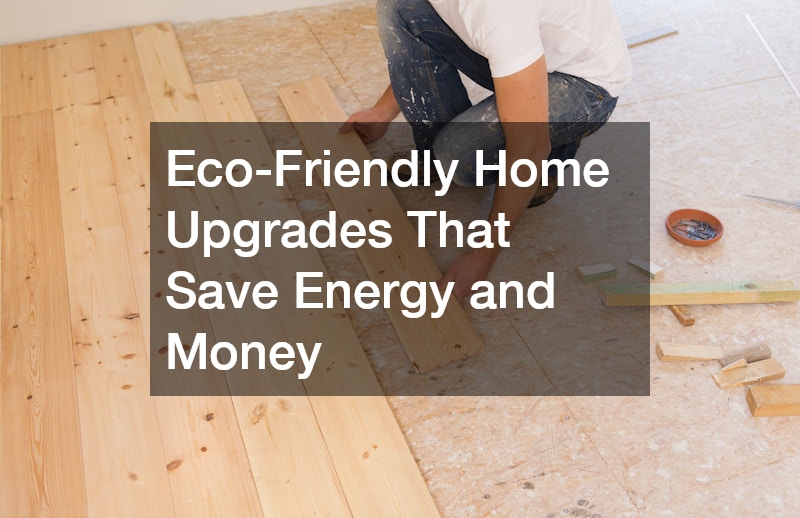
Making your home more energy-efficient isn’t just about reducing your utility bills—it’s also about creating a healthier living environment and reducing your environmental impact. Many homeowners assume that going green requires major renovations or significant investments, but small, thoughtful changes can make a big difference over time. By focusing on both indoor and outdoor improvements, it’s possible to cut energy usage, protect natural resources, and enjoy long-term cost savings.
From upgrading your heating and cooling systems to using durable materials and adopting sustainable maintenance practices, there are countless ways to create an eco-friendly home. In this article, we’ll explore actionable strategies that combine energy efficiency, cost savings, and sustainability. Whether you’re planning a major remodel or looking for simple upgrades, these tips can help you make smarter choices for your home and the planet.
Optimize Your Roof for Energy Efficiency
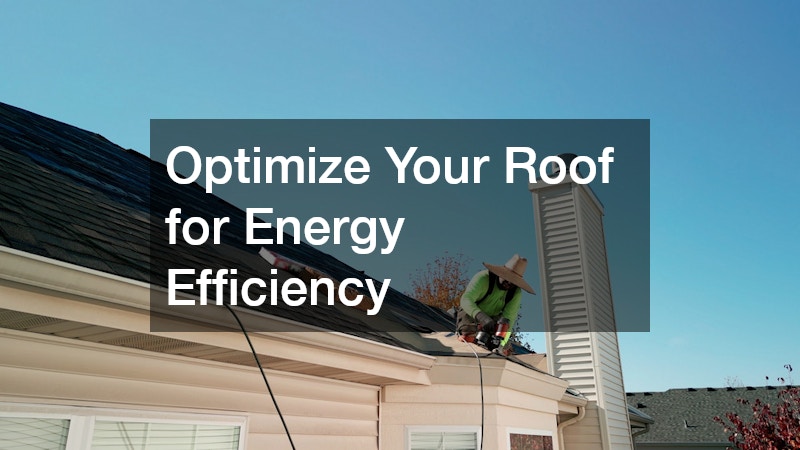
The roof is one of the most critical components of a home when it comes to energy efficiency. A poorly insulated or aging roof can cause significant heat loss in the winter and unwanted heat gain in the summer, driving up energy bills. Roofing companies are an option when upgrading your roof or making small improvements, which can drastically improve your home’s energy performance.
Here are some practical tips for eco-friendly roofing upgrades:
- Add reflective coatings: Light-colored or reflective roof coatings reduce heat absorption, keeping your home cooler in summer.
- Improve insulation: Ensure that your attic and roof are properly insulated to prevent energy loss.
- Consider sustainable materials: Materials such as recycled shingles or metal roofing last longer and have a lower environmental impact.
Upgrade Your Heating System for Maximum Efficiency
Heating systems account for a large portion of a household’s energy consumption, so optimizing your furnace can make a noticeable difference in both your energy bills and your home’s environmental footprint. Regular maintenance, such as cleaning filters, inspecting ducts, and checking for leaks, ensures that the system operates at peak efficiency. Upgrading to a modern, energy-efficient furnace can further reduce fuel usage and emissions, while programmable thermostats and zoning systems allow you to heat only the areas you need, minimizing wasted energy. Additionally, simple habits like lowering the thermostat slightly during the night or when you’re away can compound these savings over time, making your home both more sustainable and more cost-effective.
Working with a certified furnace installer is key to achieving these benefits. They can assess your home’s specific heating needs, recommend the most efficient model, and ensure proper installation, which prevents common issues like uneven heating, energy loss, or potential safety hazards. Proper installation also extends the lifespan of your furnace, reducing the need for early replacement and minimizing environmental impact from manufacturing and disposal. By combining professional expertise with smart usage and routine maintenance, you can maximize efficiency, save money on utility bills, and create a more eco-friendly home environment.
Key strategies include:
- Regular servicing: Clean and inspect your furnace annually to ensure it’s running efficiently.
- Upgrade to energy-efficient models: Modern furnaces use less fuel and provide more consistent heating.
- Install smart thermostats: Programmable thermostats reduce unnecessary heating, lowering energy bills.
Switch to Eco-Friendly Cleaning Practices

Many common household cleaning products contain chemicals that are harmful to the environment. Choosing sustainable alternatives and modifying your cleaning habits can reduce chemical exposure, water use, and energy consumption.
Professional cleaning services that prioritize green methods can also help maintain your home in an eco-conscious way. These services often use non-toxic products and environmentally responsible practices, providing a thorough clean without increasing your household’s carbon footprint.
Some ways to adopt greener cleaning practices include:
- Use biodegradable products: Look for cleaners that are plant-based or labeled as eco-friendly.
- Reduce water usage: Limit water consumption during cleaning and use microfiber cloths to minimize detergent usage.
- DIY cleaning solutions: Simple mixtures of vinegar, baking soda, and lemon juice can replace many commercial products.
Revamp Your Kitchen with Sustainable Surfaces
The kitchen is often the heart of the home, but it can also be one of the biggest sources of energy inefficiency and material waste. Frequent renovations, high-maintenance surfaces, and the use of non-durable materials contribute to unnecessary consumption and cost over time. By choosing long-lasting, eco-friendly surfaces, homeowners can significantly reduce the need for frequent replacements, while also lowering the environmental footprint of their renovations. A quartz countertop is particularly effective, as it is durable, resistant to stains and scratches, and requires minimal upkeep. This durability means less energy and resources are used for production, transportation, and installation over the years, making your kitchen both more sustainable and practical.
Upgrading your countertops is not only a matter of aesthetics but also a strategic move toward sustainability. Quartz surfaces, for example, are often made with recycled materials and can last decades without losing their quality, reducing waste and the cost of future renovations. Beyond the environmental benefits, these surfaces provide a sleek, modern look that can enhance the overall appeal of your kitchen while maintaining functionality. When combined with other energy-conscious upgrades—like water-efficient faucets, energy-saving appliances, and LED lighting—eco-friendly countertops become a key component of a kitchen that is stylish, efficient, and environmentally responsible.
Quartz countertops are an excellent option for sustainable kitchen upgrades:
- Durability: Quartz is highly resistant to scratches, stains, and heat, reducing the need for replacement.
- Low maintenance: Unlike natural stone, quartz does not require sealing, which decreases the use of chemicals.
- Recycled content: Many quartz surfaces contain recycled materials, making them an environmentally conscious choice.
Enhance Security Without Wasting Resources
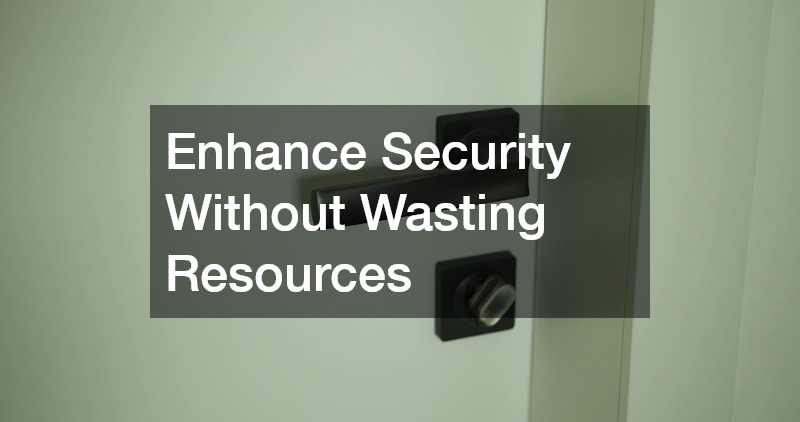
Home security is essential, but it doesn’t have to come at the cost of energy efficiency or sustainability. Simple upgrades can protect your home while minimizing resource use and avoiding unnecessary waste.
A practical example is new deadbolt installation:
- Improved insulation: High-quality deadbolts reduce drafts around doors, helping maintain indoor temperatures.
- Durability: Well-made locks last longer, reducing the frequency of replacements.
- Safety and energy efficiency combined: Protecting your home while improving its energy performance is a win-win.
Adopt Sustainable Heating Alternatives Outdoors
Many homeowners rely on traditional fuels like wood or coal to heat outdoor spaces, but these options can be inefficient, produce high emissions, and contribute to air pollution. Open fire pits and outdated heaters often waste energy by releasing heat into the air rather than directing it where it’s needed, which drives up fuel consumption and costs. By considering eco-friendly alternatives, homeowners can enjoy outdoor warmth without the negative environmental impact. Options like propane, natural gas, or electric patio heaters provide consistent heat more efficiently, helping to reduce overall fuel usage while maintaining a comfortable outdoor environment. Incorporating proper insulation or wind barriers around seating areas can also help maximize the effectiveness of these sustainable heating solutions.
Local propane services offer a particularly convenient and environmentally conscious option for outdoor heating. Propane burns cleaner than wood or coal, producing fewer greenhouse gas emissions and particulate matter, while still delivering reliable warmth. Working with local suppliers ensures that fuel transportation is minimized, further reducing your carbon footprint. Additionally, propane heaters are versatile and can be used for patios, garages, or other outdoor areas, making them a flexible choice for year-round enjoyment. By choosing eco-friendly heating methods and planning outdoor spaces thoughtfully, homeowners can create inviting areas that are both sustainable and cost-effective.
Local propane services offer a cleaner-burning fuel option that can power outdoor heaters, fire pits, or even small generators:
- Lower emissions: Propane produces fewer greenhouse gases compared to wood or coal.
- Convenient and efficient: Propane systems heat outdoor spaces quickly and consistently.
- Support local providers: Working with local suppliers reduces transportation emissions and supports the community.
Keep Your Home Cool Without Driving Up Energy Bills
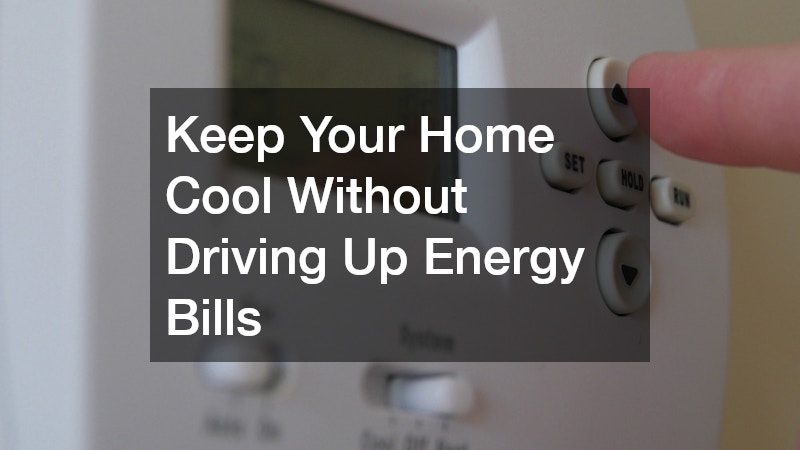
Air conditioning is one of the biggest energy drains in a home, but regular maintenance and smart upgrades can significantly reduce consumption. Efficient cooling not only lowers utility bills but also improves indoor comfort.
Scheduling consistent AC service ensures that your system runs efficiently, uses less energy, and requires fewer repairs over time, which saves money while reducing environmental impact.
Actionable tips include:
- Regular AC service: Annual inspection and cleaning of your system improves efficiency and extends its lifespan.
- Seal and insulate ducts: Prevents cool air from escaping, reducing energy waste.
- Use energy-saving settings: Smart thermostats and timed settings ensure you’re not cooling empty spaces.
Invest in Long-Lasting, Low-Maintenance Materials
Choosing materials that are durable and long-lasting is one of the most effective ways to create a sustainable home. Materials that withstand wear and tear reduce the frequency of repairs and replacements, which in turn lowers waste and conserves resources over time. Metal roofing is a prime example of this principle in action. Unlike traditional asphalt shingles that may need replacement every 15–20 years, metal roofs can last 40–70 years when properly installed. They are highly resistant to extreme weather, fire, and pests, which minimizes repair costs and the need for frequent maintenance. Additionally, many products are made from recycled materials and are fully recyclable at the end of their lifespan, making them an environmentally responsible choice.
While the upfront cost may be higher than traditional options, the long-term benefits outweigh the initial investment. Energy efficiency is a major advantage, as metal roofs reflect more solar heat, keeping homes cooler during summer months and reducing reliance on air conditioning. This leads to lower energy bills and a smaller carbon footprint. Combined with minimal maintenance requirements and extended longevity, metal roofing provides both financial and environmental returns. By investing in durable, energy-efficient materials like metal, homeowners can enjoy a more resilient, sustainable, and cost-effective home for decades to come.
Benefits of metal roofing include:
- Longevity: Lasts 40–70 years, compared to 15–20 years for traditional shingles.
- Energy efficiency: Reflects solar radiant heat, keeping homes cooler in summer.
- Recyclability: Many metal roofs are made from recycled content and are fully recyclable at the end of their life.
Use Energy-Saving Tools for Outdoor Maintenance
Maintaining your yard and outdoor spaces doesn’t have to contribute to pollution or excessive energy use. Choosing energy-efficient, low-emission power equipment can reduce your carbon footprint while keeping your property in great shape.
By upgrading to sustainable power equipment, you reduce your environmental impact while keeping your home’s exterior attractive and functional.
Tips for sustainable outdoor maintenance include:
- Opt for electric or battery-powered tools: These produce fewer emissions than gas-powered alternatives.
- Maintain equipment properly: Clean and lubricate regularly to improve performance and extend lifespan.
- Prioritize efficient usage: Use tools only when necessary and plan tasks to minimize repeated trips.
Repair and Maintain Your Driveway Sustainably
Driveways are often overlooked when considering home sustainability, but they play a significant role in both resource use and long-term maintenance costs. Cracks, potholes, and surface wear may seem minor, yet if left unattended, they can lead to major repairs that require substantial amounts of new materials and energy. Addressing these issues early with proper techniques reduces waste and extends the life of your driveway. Using eco-conscious materials, such as recycled asphalt or permeable pavers, can further minimize environmental impact by reducing runoff, lowering heat absorption, and decreasing the demand for virgin resources. Simple, timely repairs also prevent water infiltration that can damage the underlying base, saving both money and materials over the long term.
Maintaining your driveway with sustainable practices protects your financial investment while supporting a more resource-efficient home. Regular inspections, prompt crack sealing, and minor resurfacing prevent the need for complete replacement, which can be costly and environmentally taxing. Additionally, choosing methods and materials that have a lower carbon footprint helps reduce overall household emissions. By incorporating sustainable maintenance habits into your routine, homeowners can ensure that their driveways remain functional, safe, and environmentally responsible. These small, proactive steps complement other eco-friendly home improvements, contributing to a holistic approach to sustainable living.
Asphalt driveway repairs are a practical, eco-conscious solution:
- Preventative maintenance: Fix small cracks and potholes promptly to avoid major resurfacing later.
- Extend lifespan: Regular upkeep prolongs the usability of your driveway, saving materials and money.
- Eco-friendly materials: Use recycled asphalt where possible to minimize environmental impact.
Eco-friendly home upgrades are not just a trend—they’re a practical way to save energy, reduce costs, and protect the environment. From improving heating and cooling systems to choosing durable materials and sustainable tools, each small change contributes to a more efficient and responsible home.
By taking a thoughtful approach to maintenance, renovations, and daily practices, homeowners can achieve long-term savings while supporting a healthier planet. Whether upgrading a kitchen countertop, enhancing outdoor heating, or repairing your driveway, there are plenty of ways to live sustainably and creatively. Prioritizing energy efficiency and durable materials ensures that your home is both comfortable and environmentally responsible for years to come.