
The Complete Guide to Keeping Your Lawn Green All Year
A lush, green lawn doesn’t happen by accident—it’s the result of consistent care, smart planning, and attention to detail throughout every season. Many homeowners focus on lawn care during spring and summer, only to see their yard struggle during extreme heat, cold, or transitional months. The truth is, maintaining a healthy lawn requires a year-round approach that adapts to changing conditions.
From soil quality and watering habits to seasonal treatments and routine maintenance, each step plays a role in the overall health of your yard. When done correctly, these efforts not only improve curb appeal but also increase property value and create a more enjoyable outdoor space.
This guide breaks down everything you need to know to maintain a lush lawn year-round, with practical tips that are easy to follow and apply.
Build a Strong Foundation with Healthy Soil
A thriving lawn begins below the surface. Without healthy soil, even the best grass seed and maintenance routines will struggle to produce lasting results.
Topsoil plays a critical role in providing essential nutrients and supporting root development. If your soil is compacted, sandy, or lacking nutrients, your grass may appear thin or patchy. Adding fresh topsoil can improve structure, drainage, and fertility, creating an environment where grass can grow strong and resilient.
Sourcing materials from reliable local landscape supplies ensures that you’re getting high-quality soil blends suited to your region. These suppliers often carry nutrient-rich options designed to support long-term lawn health.
It’s also important to test your soil periodically. This helps you understand pH levels and nutrient deficiencies so you can make targeted improvements rather than guessing. Investing time in soil health pays off with stronger roots, better water retention, and a more vibrant lawn overall.
Select the Right Grass and Seeding Approach
Choosing the right type of grass is essential for maintaining a lawn that stays green and healthy throughout the year. Climate, sun exposure, soil conditions, and how often your lawn is used all play a role in determining which grass varieties will perform best. For example, some grasses thrive in full sun but struggle in shaded areas, while others are better suited for heavy foot traffic or drought conditions. Taking the time to match your grass type to your specific environment helps prevent thinning, discoloration, and excessive maintenance down the line.
Many homeowners turn to lawn seeding companies for professional guidance, especially when establishing or repairing a lawn. These experts understand how to achieve even coverage and proper germination, reducing the chances of patchy growth. They also know how to prepare the soil, choose the right seed blends, and apply techniques that improve long-term success, such as proper spacing and depth during seeding.
In addition, visiting local garden centers can help you compare seed blends designed for your region. Whether you need shade-tolerant grass for areas under trees or a drought-resistant mix for hotter climates, these resources make it easier to choose wisely. Staff at these locations can often provide practical advice based on local conditions, helping you avoid common mistakes.
Overseeding is another key practice. By adding new seed to your existing lawn each year, you maintain density and reduce the likelihood of weeds taking hold. Timing is critical—cooler seasons often provide the best conditions for seed to establish strong roots. Proper watering and minimal foot traffic during this period can further improve germination and ensure a thicker, more resilient lawn.
Water Your Lawn the Right Way for Lasting Results
Watering is one of the most misunderstood aspects of lawn care. Too much water can be just as harmful as too little, leading to shallow roots and increased disease risk. When grass receives frequent, light watering, it tends to develop roots near the surface, making it more vulnerable to heat, drought, and foot traffic. On the other hand, inconsistent watering can cause stress, resulting in uneven growth, discoloration, and thinning areas.
Installing residential garden irrigation systems can make a significant difference. These systems provide consistent, controlled watering that adapts to your lawn’s needs, helping prevent overwatering or dry spots. Many modern systems include timers and sensors that adjust based on rainfall and temperature, allowing for more efficient water use while maintaining optimal soil moisture levels.
For those who prefer a hands-off approach, professional lawn care services can monitor watering schedules and make adjustments based on weather conditions. This ensures your lawn receives the right amount of moisture throughout the year. Professionals can also identify early signs of overwatering or drought stress and correct them before they lead to larger problems.
A general rule is to water deeply but less frequently. This encourages roots to grow deeper into the soil, making your lawn more resilient during periods of drought or heat. It’s also best to water early in the morning when evaporation is lower, allowing moisture to penetrate the soil more effectively and reducing the risk of fungal growth.
Use Mulch to Protect and Enhance Your Lawn

Mulch is often associated with garden beds, but it also plays a valuable role in overall lawn health. It helps retain moisture, regulate soil temperature, and prevent weed growth. By creating a stable environment at the soil level, mulch supports stronger root systems and reduces the stress that grass and surrounding plants experience during extreme weather conditions.
Applying mulch around trees, shrubs, and edges creates a protective barrier that reduces evaporation and improves soil conditions. This is especially beneficial during hot summer months when water loss can become a problem. It also helps prevent soil erosion during heavy rain, keeping nutrients in place and reducing runoff. Over time, this leads to more consistent soil quality and healthier plant growth throughout your yard.
Different types of mulch offer different benefits, and a local garden center can help you choose the best option for your landscape. Organic mulch, for example, breaks down over time and adds nutrients back into the soil, improving its structure and fertility. Inorganic options, such as rubber or stone, last longer and require less frequent replacement, making them a practical choice for certain areas.
Using mulch strategically not only supports plant health but also enhances the visual appeal of your yard by creating clean, defined spaces. It can highlight landscaping features, create contrast between lawn and garden areas, and give your outdoor space a more polished, well-maintained look.
Manage Trees and Shade for Better Lawn Growth

Trees add beauty and value to your property, but they can also impact your lawn if not properly maintained. Excessive shade and overgrown branches can limit sunlight, making it difficult for grass to thrive.
Regular tree trimming helps control canopy growth and allows more light to reach the ground. This promotes healthier grass and reduces the risk of uneven growth patterns.
In some cases, professional tree services may be needed to handle larger or more complex jobs safely. These experts can assess tree health, remove hazardous branches, and ensure proper pruning techniques are used.
Balancing the benefits of trees with the needs of your lawn creates a healthier, more harmonious outdoor environment.
Stick to a Consistent Mowing Routine
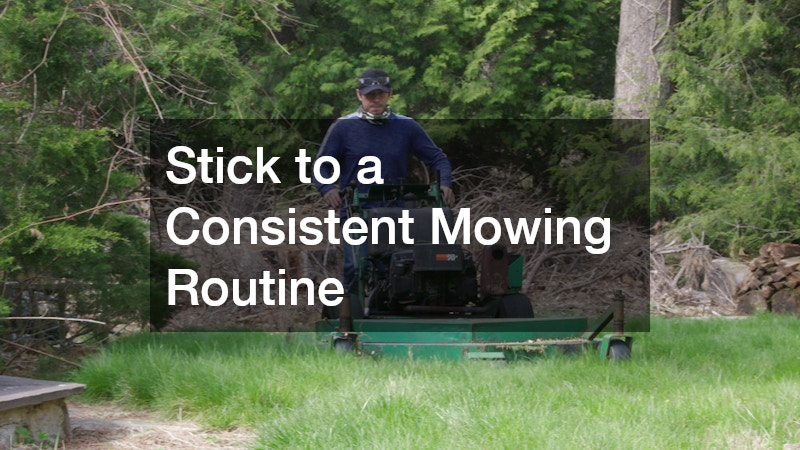
Mowing may seem simple, but doing it correctly has a major impact on lawn health. Cutting grass too short can weaken roots and make your lawn more vulnerable to stress.
Many homeowners rely on lawn care services to maintain a consistent mowing schedule. These professionals understand the ideal height for different grass types and adjust their approach accordingly.
In addition to proper mowing techniques, maintaining healthy soil with occasional topsoil applications can help repair worn or thinning areas. This combination of mowing and soil care keeps your lawn looking full and vibrant.
Always use sharp mower blades and avoid cutting more than one-third of the grass height at a time. This reduces stress and promotes steady growth.
Feed Your Lawn with the Right Nutrients
Fertilization is essential for keeping your lawn healthy and green throughout the year. Grass requires a balance of nutrients—primarily nitrogen, phosphorus, and potassium—to grow strong, develop deep roots, and resist pests and disease. Without these key nutrients, lawns can become thin, discolored, and more vulnerable to stress from weather changes or heavy use.
Working with lawn seeding companies can provide valuable insights into the best fertilization schedule for your specific lawn. They can recommend products and timing based on local conditions, soil composition, and the type of grass you have. For example, some lawns benefit from multiple light applications throughout the year, while others respond better to fewer, more targeted treatments. Professional guidance helps eliminate guesswork and ensures your lawn receives nutrients when it needs them most.
In addition, using mulch around your landscape helps retain nutrients in the soil, supporting overall lawn health. As mulch breaks down, it adds organic matter back into the soil, improving its structure and ability to hold moisture and nutrients. This natural process enhances the effectiveness of fertilizers and reduces the need for frequent applications.
It’s important to avoid over-fertilizing, as this can lead to excessive growth and increased maintenance needs. Too much fertilizer can also burn the grass or cause nutrient runoff, which may harm surrounding plants or the environment. A balanced approach—combined with proper watering and mowing—ensures steady, sustainable results and a lawn that stays healthy over time.
Protect Your Lawn from Weeds and Pests
Weeds and pests can quickly undo your hard work if not managed properly. Prevention is always more effective than trying to fix a problem after it spreads.
Local garden centers are a great resource for identifying common lawn issues and finding appropriate treatments. They can recommend products that target specific problems without harming your grass.
For more persistent issues, professional lawn care services can provide targeted solutions and ongoing monitoring. Their expertise helps ensure that problems are addressed quickly and effectively.
Maintaining a dense, healthy lawn is one of the best defenses against weeds. When grass is thick and strong, it leaves little room for unwanted growth.
Adapt Your Lawn Care Routine Throughout the Year
Seasonal changes require adjustments to your lawn care routine. What works in spring may not be effective during the heat of summer or the cold of winter.
Residential garden irrigation systems can be adjusted to match seasonal needs, providing more water during dry periods and less during cooler months. This flexibility helps maintain consistent growth.
Tree trimming is also important at certain times of the year to prepare your landscape for changing conditions. Removing weak or overgrown branches reduces stress on trees and improves overall lawn health.
By adapting your approach throughout the year, you ensure that your lawn remains resilient and vibrant in every season.
Know When to Bring in Professional Help
While many aspects of lawn care can be handled independently, there are times when professional expertise makes a significant difference. Recognizing these moments early can save you both time and money, while also protecting the long-term health of your lawn and landscape.
Tree services are essential for handling large trees or complex pruning tasks that require specialized equipment and safety measures. Attempting these jobs without proper training can be risky, especially when working at heights or dealing with heavy branches. Professionals not only have the right tools, but they also understand how to trim trees in a way that promotes healthy growth and prevents damage. They can also identify early signs of disease or structural weakness that the average homeowner might miss.
In addition, sourcing materials from trusted local landscape supplies ensures that you’re using high-quality products that support long-term lawn health. Professionals often have access to better-grade materials and can recommend the right type of soil, amendments, or other supplies based on your specific yard conditions. This guidance can make a noticeable difference in how well your lawn responds to care.
Working with professionals when needed allows you to achieve better results while saving time and effort. Instead of spending hours troubleshooting issues or using trial-and-error methods, you benefit from proven techniques and experience. It also helps prevent costly mistakes that can arise from improper techniques, such as over-pruning, poor soil selection, or incorrect application of materials.
Achieving a Lawn That Stays Beautiful in Every Season

Maintaining a lush lawn year-round requires dedication, consistency, and a willingness to adapt to changing conditions. By focusing on soil health, proper watering, routine maintenance, and seasonal care, you can create a yard that remains vibrant and inviting throughout the year.
Every step you take—from improving soil quality to managing trees and adjusting your routine—contributes to the overall success of your lawn. With the right approach, your outdoor space can become a source of pride and enjoyment in every season.