- Sustainable DIY projects are a simple starting point for eco-friendly living, allowing beginners to make meaningful environmental changes without major lifestyle adjustments.
- Repurposing everyday household items—such as glass jars, cardboard boxes, and old clothing—helps reduce waste while creating practical home solutions.
- Replacing disposable products with reusable alternatives like cloth wipes, reusable bags, and natural cleaning supplies can significantly cut down household trash.
- DIY projects encourage creativity, resourcefulness, and cost savings, making sustainable living both practical and affordable.
- Eco-friendly gardening projects, such as recycled planters and rainwater collection systems, support greener habits while improving home environments.
- Small sustainable actions add up over time, helping individuals reduce their environmental footprint and build long-term eco-conscious habits.
Living a greener lifestyle does not require drastic changes or expensive upgrades. In fact, some of the most impactful environmental actions begin with simple habits and small projects at home. By embracing sustainable DIY practices, individuals can reduce waste, conserve resources, and create useful items without relying heavily on store-bought products. These projects often use recycled materials, natural ingredients, or repurposed items that might otherwise end up in landfills.
For beginners, sustainable DIY projects are an excellent introduction to eco-friendly living. They are easy to start, budget-friendly, and practical for everyday life. Instead of feeling overwhelmed by environmental issues, you can take meaningful action right from your home. Whether it is reusing containers, creating natural cleaning solutions, or building simple garden tools, these projects help you live greener while saving money and developing creative skills.
This guide explores several beginner-friendly DIY ideas that support sustainability. Each project focuses on reducing waste, conserving resources, and making environmentally conscious choices easier to maintain.
Why Should Beginners Start with Sustainable DIY Projects?
Many people want to live more sustainably but are unsure where to start. Sustainable DIY projects provide an accessible entry point because they focus on practical, everyday changes that make a difference. Instead of purchasing new products or investing in expensive upgrades, DIY solutions allow you to use what you already have while reducing your environmental footprint.
These projects also help build awareness about consumption habits. When you create items yourself—whether cleaning supplies, storage solutions, or household goods—you gain a better understanding of the materials and resources involved. This awareness often encourages more responsible purchasing decisions and reduces unnecessary waste.
Another advantage is the long-term financial savings. Many sustainable DIY projects rely on inexpensive or recycled materials, which means you spend less while creating functional items for your home. Over time, these small changes add up, making sustainable living both practical and affordable.
Benefits of Sustainable DIY Projects
Sustainable DIY initiatives offer several advantages beyond environmental protection.
- Waste Reduction: Repurposing materials keeps items out of landfills.
- Cost Savings: Many projects use materials already available at home.
- Creative Expression: DIY encourages creativity and problem-solving.
- Skill Development: Beginners gain practical crafting and repair skills.
- Environmental Awareness: Making products yourself increases appreciation for resources.
By starting with simple projects, beginners can gradually build confidence and develop sustainable habits that last.
Sustainable and Easy DIY Projects for Beginners
Getting started with eco-friendly DIY activities does not require professional crafting skills or expensive tools. Many beginner projects can be completed using everyday materials such as jars, fabric scraps, cardboard, and leftover household items. These projects demonstrate how small actions can significantly reduce waste and promote responsible consumption.
One of the most rewarding aspects of DIY sustainability is the ability to transform ordinary objects into useful tools. Instead of throwing items away, you can repurpose them into storage containers, cleaning products, or decorative pieces for your home. This approach not only minimizes waste but also encourages creative thinking.
Below are several beginner-friendly projects that combine simplicity, sustainability, and practicality. Each project focuses on reducing environmental impact while offering a functional solution for everyday life.
DIY Reusable Cleaning Wipes
Disposable wipes are convenient but contribute significantly to household waste. Making reusable cleaning wipes is a simple alternative that reduces trash and saves money.
Materials Needed
- Old cotton shirts or towels
- A glass jar or an airtight container
- Natural cleaning solution (vinegar, water, and essential oils)
Steps
- Cut old fabric into small square pieces.
- Mix a natural cleaning solution using equal parts water and vinegar.
- Place the fabric pieces in a container and pour the solution over them.
- Use the wipes for household cleaning and wash them after use.
This project replaces disposable products with washable alternatives that can be reused for years.
Turn Glass Jars into Storage Containers
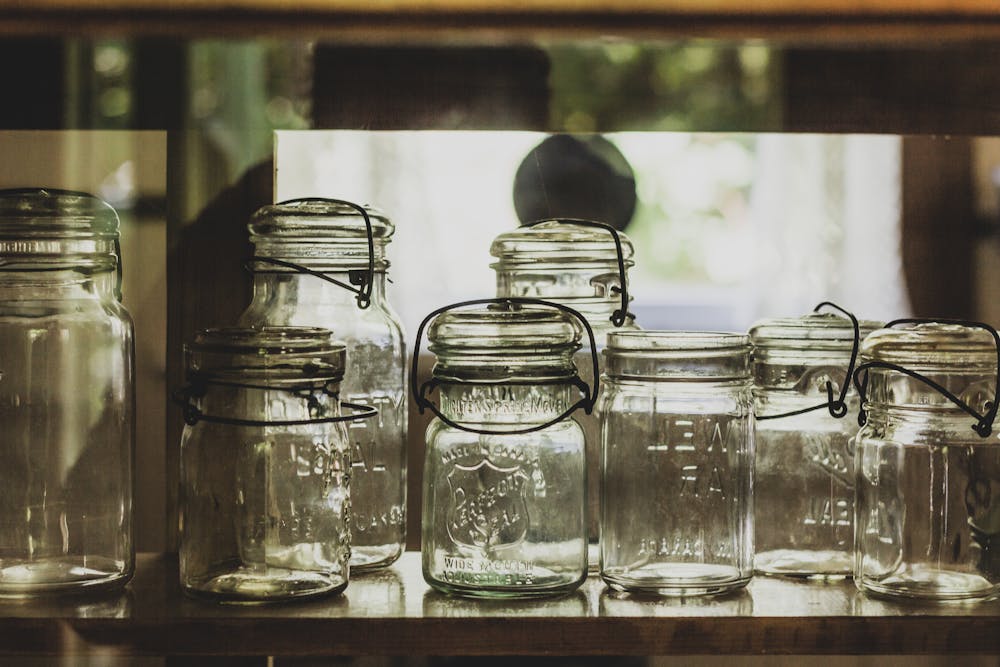
Glass jars are one of the easiest materials to repurpose at home. Instead of discarding jars from sauces, jams, or beverages, they can become versatile storage containers.
Creative Uses for Glass Jars
- Pantry storage for grains, spices, and dried foods
- Containers for craft supplies or office items
- Small planters for herbs or succulents
- Organizers for bathroom essentials
Glass jars are durable, easy to clean, and completely reusable. By repurposing them, you reduce the need for plastic containers while keeping your home organized.
Make Your Own Natural Air Fresheners
Commercial air fresheners often contain chemicals that can affect indoor air quality. A natural DIY air freshener is a healthier and environmentally friendly alternative.
Simple Recipe
- 1 cup water
- 1 tablespoon baking soda
- 10–15 drops of essential oil
- Spray bottle
Instructions
- Add baking soda to the spray bottle.
- Pour in water and essential oil.
- Shake well before each use.
- Spray lightly in rooms to freshen the air.
This project uses natural ingredients that are safer for both people and the environment.
How Can You Repurpose Everyday Household Items?
Many items thrown away each day still have useful life left in them. Repurposing everyday household materials is one of the easiest ways to reduce waste while creating practical solutions for your home. Instead of immediately discarding old items, consider how they might serve another purpose.
Repurposing also encourages creativity and resourcefulness. Objects that might seem useless can often be transformed into decorative pieces, storage tools, or gardening supplies. This process extends the life of materials and reduces the demand for newly manufactured products.
By looking at everyday items differently, you can uncover endless opportunities for sustainable DIY projects. The following ideas show how simple materials can be repurposed into useful items with minimal effort.
Old T-Shirts into Reusable Shopping Bags
Plastic shopping bags contribute heavily to environmental pollution. Turning old T-shirts into reusable bags is a simple way to reduce plastic waste.
Steps
- Cut off the sleeves and neckline of an old shirt.
- Turn the shirt inside out.
- Sew or tie the bottom closed.
- Flip it back to create a reusable tote bag.
These bags are durable, washable, and perfect for grocery shopping or daily errands.
Cardboard Boxes into Drawer Organizers
Cardboard packaging often ends up in recycling bins, but it can also be reused for home organization.
Ways to Repurpose Cardboard
- Cut boxes into compartments for desk drawers.
- Use them to organize kitchen utensils.
- Create simple storage dividers for clothing.
This project requires only scissors and creativity while helping keep living spaces neat and organized.
Wine Corks into Household Accessories
Wine corks are small but surprisingly versatile materials for DIY projects.
Possible Uses
- Create a cork bulletin board.
- Make coasters for drinks.
- Build small plant markers for the garden.
These projects are simple to assemble and demonstrate how even small materials can be reused effectively.
Can DIY Projects Help Reduce Household Waste?
Household waste is a growing environmental challenge, with many everyday items ending up in landfills despite being reusable or recyclable. DIY projects offer a practical solution by encouraging people to reuse materials and create alternatives to disposable products. When individuals take the time to repurpose items or make their own household goods, they significantly reduce the volume of waste produced at home.
Another benefit of DIY waste reduction is increased awareness of consumption patterns. Many people begin to notice how frequently disposable products are used once they start replacing them with reusable alternatives. This awareness often leads to more mindful purchasing decisions and a stronger commitment to sustainable living.
By incorporating simple DIY solutions into daily routines, households can reduce waste while saving money. Small changes—such as switching to reusable products or repurposing containers—can collectively make a meaningful environmental impact.
Replace Disposable Items with Reusable Alternatives
Many common household items are designed for single use. Replacing them with reusable options is one of the most effective ways to reduce waste.
Examples include:
- Cloth napkins instead of paper towels
- Reusable food wraps made from fabric
- Homemade cleaning cloths instead of disposable wipes
- Refillable glass containers instead of plastic packaging
These alternatives are easy to create and often last much longer than disposable products.
Create Compost for Kitchen Waste
Food scraps are a major contributor to household waste. Composting transforms organic materials into nutrient-rich soil for gardening.
Items You Can Compost
- Fruit and vegetable scraps
- Coffee grounds
- Eggshells
- Leaves and small plant trimmings
A simple compost bin can be made using a plastic container or a wooden box. Over time, the compost can enrich garden soil and support healthy plant growth.
What Are Some Beginner DIY Projects for Eco-Friendly Gardening?
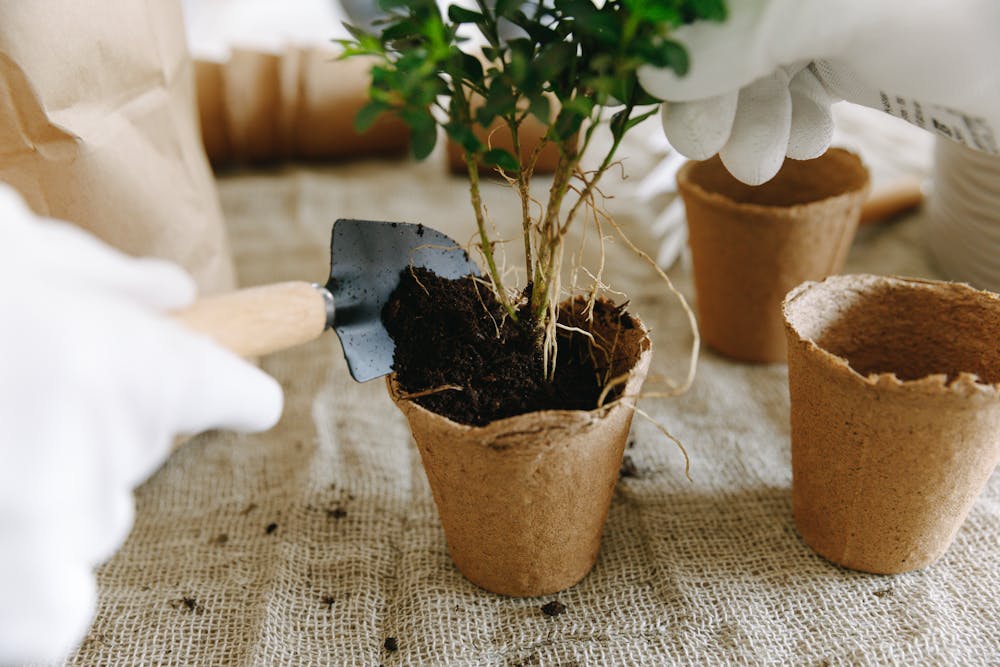
Gardening is a natural extension of sustainable living because it encourages people to grow their own food, reduce packaging waste, and support biodiversity. For beginners, eco-friendly gardening projects are a great way to combine creativity with environmental responsibility. Many of these projects require minimal tools and use recycled materials, making them both affordable and easy to complete.
Starting small is often the best approach for beginner gardeners. Simple DIY projects can help build confidence while providing practical tools for maintaining plants and soil health. Over time, these small gardening efforts can lead to larger sustainability practices such as composting, rainwater harvesting, or growing fresh vegetables at home.
Eco-friendly gardening projects also create opportunities to reconnect with nature. Whether planting herbs on a windowsill or building planters from recycled materials, these projects bring greenery into everyday living spaces.
DIY Planters from Recycled Materials
Containers that would normally be discarded can easily be transformed into plant pots.
Examples include:
- Tin cans
- Plastic bottles
- Old buckets
- Wooden crates
By adding drainage holes and soil, these containers become functional planters for herbs, flowers, or vegetables.
Build a Simple Rainwater Collection System
Rainwater harvesting helps conserve water while supporting garden irrigation.
Basic Steps
- Place a large container beneath a roof downspout.
- Cover the container to keep debris out.
- Use the collected water to irrigate plants.
This system reduces water consumption and makes use of a natural resource that would otherwise go to waste.
Create Seed Starters from Kitchen Scraps
Seed starters are essential for growing plants from seeds, but store-bought trays are not always necessary.
Sustainable Alternatives
- Egg cartons
- Paper towel tubes
- Yogurt containers
These materials provide temporary containers for seedlings and can often be composted or reused afterward.
Conclusion: Small DIY Projects Lead to Big Environmental Impact
Sustainable living does not have to be complicated or expensive. In many cases, it begins with small changes that gradually transform everyday habits. By exploring beginner-friendly DIY projects, individuals can reduce waste, reuse materials, and create practical solutions for their homes while supporting environmental conservation.
The projects discussed in this guide demonstrate that sustainability is achievable for anyone willing to start small. Repurposing jars, making natural cleaning products, creating reusable bags, and building simple garden tools are all manageable steps toward a greener lifestyle. These activities not only reduce environmental impact but also encourage creativity and self-sufficiency.
Over time, these small efforts can inspire larger sustainable practices. As beginners gain confidence with DIY solutions, they may explore additional projects such as composting systems, energy-saving home improvements, or zero-waste lifestyle changes. Every step contributes to a healthier planet.
Living greener starts with simple actions. By embracing sustainable and easy DIY projects, anyone can begin making a positive difference today.