
The modern homeowner faces a constant dilemma: knowing when to roll up their sleeves for a weekend project versus when to open their wallet for a professional. The internet is flooded with tutorials making complex renovations look easy, encouraging a do-it-yourself spirit. While tackling projects independently saves money and provides satisfaction, it often masks hidden safety risks, specialized tool costs, and strict municipal permit requirements. Recognizing the boundary between a weekend win and a costly disaster is the hallmark of smart homeownership.
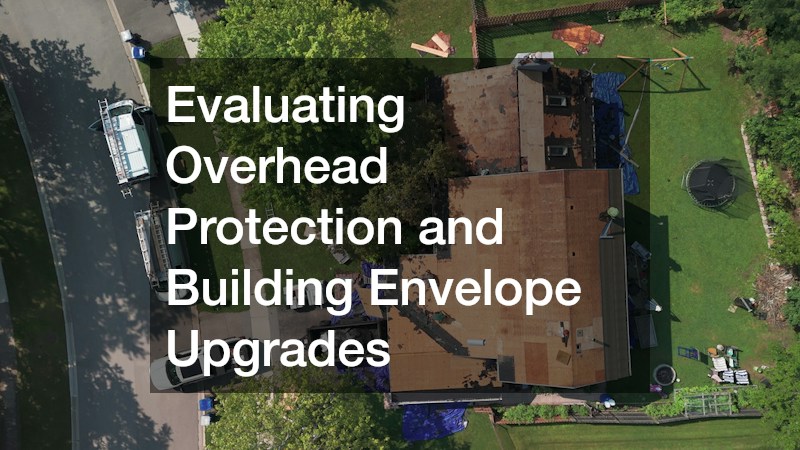
Evaluating Overhead Protection and Building Envelope Upgrades
Assessing Roof Maintenance versus Structural Replacement
Taking care of your overhead protection involves recognizing which tasks are manageable and which require specialized safety gear. For the handy homeowner, there are entry-level tasks that can be performed safely to extend roof life. Clearing debris from gutter channels, inspecting flashing from a grounded ladder, and removing minor moss buildup are excellent weekend tasks. Replacing a single, accessible asphalt shingle on a low-slope structure can also be managed with basic hand tools.
However, complex overhead work introduces severe fall risks and the potential for devastating water damage if executed poorly. Tasks involving structural tear-offs, tracing hidden leaks, or replacing widespread underlayment demand specialized safety harnesses, commercial rigging, and extensive experience. Hiring licensed residential roofers ensures that steep slopes are navigated safely, building envelope warranties remain intact, and the home is protected against harsh storms.
-
Routine Gutter Clearing: Remove leaves and sediment from gutters twice a year to prevent water from backing up under eaves.
-
Visual Shingle Inspections: Use binoculars from the ground to check for cracked or missing shingles after severe windstorms.
-
Attic Water Tracing: Inspect the underside of the roof deck during heavy rain to identify dark water stains.
Sealing the Attic and Exterior Rim Joists
Managing drafts and improving indoor comfort is highly accessible for most homeowners. Basic draft sealing involves straightforward tasks like applying weatherstripping to exterior door frames, installing foam outlet gaskets on exterior walls, and using low-expansion foam spray cans for minor gaps around baseboards. These low-risk DIY projects require minimal investment in tools and can provide immediate improvements to winter warmth and summer cooling.
Conversely, executing full thermal envelope upgrades on a large scale is a job best left to experts. Large-scale attic encapsulation, rim joist sealing, and complex crawlspace vapor barriers require precise chemical mixing, specialized respiratory equipment, and professional machinery. Engaging a professional spray foam insulation service prevents dangerous chemical off-gassing, ensures uniform thermal coverage, and eliminates moisture traps that cause internal wood rot.
-
Door and Window Weatherstripping: Replace compressed or torn rubber seals around entryways to block cold air infiltration.
-
Recessed Light Sealing: Swap older recessed light trims with airtight, IC-rated LED fixtures to stop conditioned air from leaking.
-
Draft Testing: Walk the perimeter of your home on a windy day with a lit incense stick to identify invisible air leaks.
Navigating Complex Electrical and Climate Control Systems

Managing Household Wiring and High-Voltage Danger
Electrical work commands the highest level of respect due to immediate life-safety hazards. Safe, low-voltage projects are within reach for homeowners who understand breaker management. Basic updates like swapping decorative switch plates, changing light fixtures on existing junction boxes, or setting up low-voltage smart plug networks can be completed successfully. Always use a non-contact voltage tester to verify power is dead before touching any wires.
When dealing with high-voltage and code-sensitive installations, the risks escalate to severe fire and electrocution hazards. Main panel upgrades, heavy appliance circuits, electric vehicle charger installations, and whole-house rewiring legally require deep technical knowledge and local permits. Hiring local certified electricians ensures that load calculations are accurate, wire gauges are safely matched to breakers, and the entire system complies with national electrical codes.
-
Breaker Panel Mapping: Clearly label all switches in the main panel so you can quickly kill power to specific rooms.
-
GFCI Outlet Testing: Press the test buttons on bathroom and kitchen outlets monthly to ensure ground fault protection is active.
-
Voltage Verification: Always double-check wires with a reliable voltage tester, even if you are certain the correct breaker is flipped off.
Maintaining Heating and Cooling System Efficiency
Climate control systems operate most efficiently when given regular attention. Routine system upkeep involves simple, inexpensive tasks that prevent major breakdowns. Replacing forced-air filters every ninety days, clearing leaves and brush away from outdoor condensers, and programming Wi-Fi thermostats to reduce load during empty hours are excellent DIY habits. These tasks ensure unrestricted airflow, reducing the strain on blower motors and compressors.
However, advanced mechanical and refrigerant repairs are strictly professional territory. Handling high-pressure refrigerants, diagnosing blown start capacitors, servicing reversing valves, and repairing sealed ductwork require specialized gauges and EPA certifications. Relying on professional AC repair services prevents accidental venting of ozone-depleting gases, avoids ruining expensive compressors, and restores total cooling capacity safely.
-
Condenser Airflow Clearance: Trim bushes and remove yard debris to maintain a two-foot clearance around the outdoor HVAC unit.
-
Condensate Line Flushing: Pour a cup of white vinegar down the indoor air handler’s condensate drain line quarterly to prevent algae clogs.
-
Register Balancing: Keep supply vents open and unblocked by furniture to maintain balanced system pressure and even room temperatures.
Handling Heavy Infrastructure, Grading, and Wastewater Systems

Surface Hardscaping and Driveway Restoration
Updating the exterior hardscaping of a property offers a mix of simple weekend tasks and massive engineering challenges. DIY surface refreshers are great for boosting curb appeal on a budget. Filling small asphalt cracks with cold-patch compound, power-washing concrete walkways, or spreading fresh gravel along garden paths require little more than manual labor and basic hardware store supplies.
Conversely, full-scale asphalt and concrete installations demand heavy machinery and precise sub-base preparation. Deep excavation, base compaction, hot-mix asphalt application, and proper slope grading require heavy rollers and experienced crews. Partnering with a reputable paving company ensures that the new surface can withstand heavy vehicle weight, resists winter frost heave, and prevents surface water from pooling near the foundation.
-
Surface Cleaning: Pressure wash driveways and sidewalks annually to remove slippery algae and automotive fluid stains.
-
Crack Maintenance: Use flexible masonry sealants to fill narrow concrete expansion joints, preventing water intrusion and winter ice expansion.
-
Runoff Management: Check the driveway pitch during a rainstorm to ensure surface water flows steadily toward the street.
Maintaining Below-Ground Waste Lines and Drainage
Plumbing maintenance ranges from quick indoor fixes to complex underground excavations. Basic plumbing cleanouts are essential skills for any homeowner. Clearing sink P-traps, using hand augers to break up localized toilet clogs, or adding monthly bacterial enzyme treatments to drains keeps daily wastewater flowing smoothly. These tasks require only basic hand tools and prevent minor blockages from becoming major headaches.
When problems move beneath the yard, professional intervention becomes mandatory. Subsurface waste system repairs involving crushed distribution pipes, saturated drain fields, effluent pump failures, or full tank pumping demand specialized heavy equipment and biohazard handling permits. Calling an experienced local septic repair team ensures that deep excavations are conducted safely, camera scopes accurately diagnose buried line collapses, and the surrounding groundwater remains uncontaminated.
-
Fixture Aerator Cleaning: Unscrew and rinse bathroom and kitchen faucet aerators periodically to remove mineral scale and restore water pressure.
-
Enzyme Drain Treatments: Use biological enzyme cleaners rather than harsh chemical liquids to maintain healthy bacterial balance in older pipes.
-
Warning Sign Monitoring: Watch for slow-draining lower-level fixtures or lush green grass patches in the yard, which signal drainage failures.
Managing Large-Scale Grounds, Canopy Risks, and Site Layouts

Safely Pruning and Managing Heavy Canopy Trees
Managing the trees around your property requires understanding the limits of ground-level yard care. Light pruning is a safe, necessary task for maintaining landscape health. Trimming slender branches under two inches in diameter, pruning low ornamental shrubbery, and removing dead garden limbs using manual hand pruners or pole saws from the ground are excellent DIY activities.
High-risk timber removal, however, is exceptionally dangerous. The extreme kinetic energy of falling limbs, chainsaw kickback risks, and proximity to overhead power lines make removing large trees or heavy storm-damaged branches a job for specialists. Hiring insured tree services equipped with aerial lifts, commercial chippers, and professional rigging gear guarantees that heavy timber is dismantled safely without crushing rooftops or injuring bystanders.
-
Ground-Level Pruning: Use bypass loppers to remove dead or crossing branches on small ornamental trees to improve air circulation.
-
Canopy Defect Spotting: Inspect large trunks for fungal brackets, deep vertical cracks, or severe leaning after heavy seasonal storms.
-
Clearance Maintenance: Keep small branches trimmed at least five feet away from siding and rooflines to prevent abrasion and pest access.
Executing Major Earthworks and Garden Redesigns
Landscaping projects allow homeowners to dramatically alter their property’s aesthetic appeal. Simple garden upgrades are perfect for ambitious DIYers. Planting seasonal flower beds, placing decorative edging stones, spreading fresh bark mulch, and installing low-voltage solar garden lights can completely refresh a yard over a weekend. These tasks require basic shovels, wheelbarrows, and physical stamina.
Complex site transformations involving significant soil movement shift the project into professional territory. Large-scale site grading, retaining wall construction over four feet high, deep French drain installation, and widespread sod laying are physically exhausting and require precise engineering. Utilizing full-service landscaping companies equipped with skid steers and laser levels ensures that earthworks are structurally sound, water drains correctly, and heavy soil is compacted to prevent erosion.
-
Mulch Application: Apply a two-inch layer of organic mulch around garden beds to suppress weeds and retain soil moisture during summer.
-
Native Plant Selection: Choose drought-tolerant native plants for DIY garden beds to reduce reliance on heavy manual watering.
-
Downspout Diversion: Attach flexible corrugated pipe extensions to gutter downspouts to carry roof runoff far away from the foundation.
Executing Precise Interior Trades and Heavy Mechanical Entry Points
Modernizing Kitchen Surfaces and Custom Slab Work
The kitchen is the heart of the home, and updating its surfaces can yield a massive return on investment. Entry-level surface refreshes are highly accessible for homeowners. Projects like applying protective butcher block oil, painting existing solid wood counters, or assembling modular laminate surfaces can be completed with basic hand tools and patience, instantly modernizing the culinary space.
Working with heavy stone and solid composite slabs, however, is a highly specialized trade. Measuring complex angles, cutting undermount sink holes, joining invisible seams, and maneuvering hundreds of pounds of fragile granite, quartz, or marble requires specialized lifting tools and diamond-blade fabrication machinery. Professional countertop installations ensure that expensive stone is not cracked during transport and that the finished surfaces are perfectly level across the cabinet bases.
-
Cabinet Leveling Verification: Use a long spirit level across base cabinets to ensure they are perfectly flat before ordering new surface slabs.
-
Hardware Updating: Swap out old cabinet knobs and drawer pulls for modern brushed metal fixtures to refresh the kitchen cheaply.
-
Surface Sealing: Apply natural mineral oil to butcher block or stone sealers to porous granite to prevent deep food stains.
Servicing High-Tension Entry Mechanisms and Overhead Doors
Attached garages feature the largest moving mechanical component in most homes, requiring regular care to operate safely. Routine door maintenance is easy and extends the lifespan of the equipment. Simple DIY tasks include spraying silicone lubricant on metal roller tracks, wiping down auto-reverse photo-eye sensors, and replacing cracked rubber weather seals along the bottom panel to keep out winter drafts.
Conversely, attempting repairs on the heavy lifting mechanisms is incredibly dangerous. High-tension torsion springs, frayed lifting cables, and bent overhead tracks store extreme kinetic energy that can cause severe impact injuries or death if released improperly. Relying on a certified garage door service technician ensures that tension adjustments are handled with specialized winding bars, heavy panels are aligned safely, and the entire mechanism operates smoothly without binding.
-
Track Lubrication: Apply lithium or silicone spray grease to the hinges and rollers twice a year to silence squeaks.
-
Sensor Alignment Verification: Check that the photo-eye sensors at the base of the tracks are perfectly aligned and clear of cobwebs.
-
Travel Limit Adjustment: Consult the opener manual to adjust the digital travel limits so the door seals tightly against the floor.
Knowing when to tackle a home project yourself and when to call a professional is the cornerstone of responsible homeownership. The balanced homeowner mindset recognizes that saving money on labor should never come at the expense of structural integrity, code compliance, or personal safety. Taking on manageable painting, light landscaping, and routine maintenance builds pride and saves cash, while deferring complex electrical, plumbing, and heavy structural work protects your most valuable financial asset.