Maintaining a home is rewarding but can also be expensive if issues are ignored until they become emergencies. Unexpected repairs, inefficient systems, and general wear and tear can quickly drain a homeowner’s budget. From a leaking roof to a malfunctioning HVAC system, these problems often occur at the most inconvenient times, turning minor issues into major expenses. Even routine wear, like cracks in pavement, clogged gutters, or fading siding, can lead to long-term damage if left unaddressed. Beyond the financial impact, emergency repairs can be stressful, disruptive, and time-consuming, affecting your comfort and daily life.
However, with strategic planning and proactive maintenance, you can significantly reduce costs, extend the life of your home’s components, and avoid the stress of major emergencies. Preventative care allows homeowners to identify potential problems early, often solving them with minimal effort and expense. By implementing a structured maintenance schedule, keeping an eye on signs of wear, and addressing issues promptly, you can save both money and time in the long run.
This guide is designed to provide practical, actionable ways to save on home repairs, covering everything from routine inspections and simple DIY projects to larger renovations that require professional expertise. Whether you are a first-time homeowner or have lived in your house for years, these strategies will help you protect your investment, maintain comfort, and preserve the value of your property. By taking a proactive approach, you’ll not only reduce repair costs but also gain peace of mind knowing that your home is well cared for.
Inspect Your Home Regularly to Prevent Major Issues
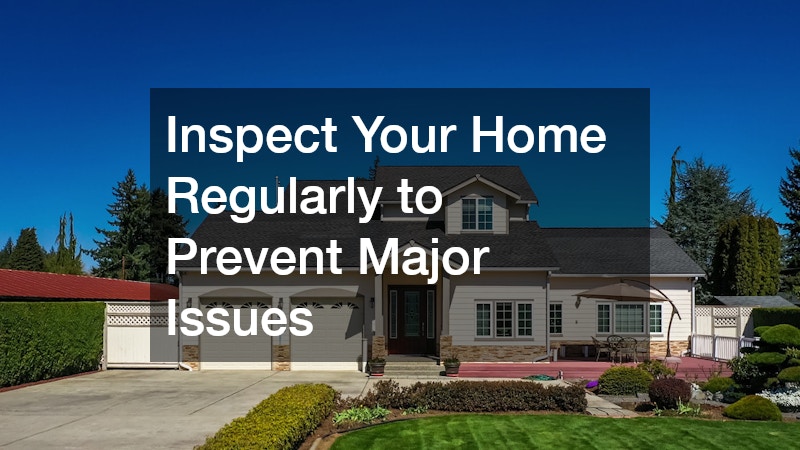
A key factor in saving money on home repairs is prevention. Regular inspections allow homeowners to catch small problems before they escalate into costly emergencies. Seasonal checks—such as spring and fall—are particularly effective, as they help you prepare for extreme weather, identify hidden issues, and ensure that your home is operating efficiently throughout the year. Homes that are routinely monitored tend to have fewer emergency repairs and longer-lasting systems, saving both time and money in the long run.
Tips for effective home inspections:
- Walk around your property every few months to look for signs of damage, leaks, or unusual wear. Pay attention to areas exposed to the elements, such as the roofline, gutters, and outdoor plumbing.
- Check all major systems, including plumbing, electrical, and HVAC. Look for water stains, corrosion, or frayed wiring, and ensure vents and outlets are functioning properly.
- Listen for unusual sounds, such as hissing, buzzing, or rattling, which can indicate malfunctioning equipment. Early detection allows you to fix problems before they cause more serious damage.
- Monitor utility bills for unexpected spikes that could indicate leaks, inefficient appliances, or HVAC issues. Even small inefficiencies can add up over time, increasing your overall costs.
HVAC systems often bear the brunt of seasonal changes. Scheduling regular HVAC repairs can prevent more serious breakdowns that require expensive replacement. Simple preventative steps include cleaning filters, inspecting ductwork, and checking coolant levels. Similarly, AC repair services performed on a schedule ensure that units operate efficiently during peak usage, saving money on both repairs and energy bills.
In addition, documenting your inspections can help track trends over time. Keeping a simple notebook or spreadsheet of identified issues, repairs made, and maintenance schedules makes it easier to anticipate future problems. For example, noticing recurring water stains near a window might indicate a leak that could lead to structural damage if not addressed. Small fixes, like sealing gaps or tightening loose fittings, can prevent larger repairs and extend the life of your home’s systems. By addressing minor issues early, homeowners not only avoid costly emergency calls but also maintain a safer, more comfortable living environment.
Maintain Your Roof to Avoid Costly Replacements
A roof is one of the most critical components of a home, protecting your property from weather, structural damage, and even energy loss. Neglecting minor issues can result in leaks, mold, and structural damage, all of which are far more expensive to fix than routine maintenance. Many homeowners underestimate the impact of small problems like loose shingles, clogged gutters, or minor flashing damage, not realizing that these issues can quickly compromise the integrity of the entire roof. Regular care can prevent these problems from escalating, saving both money and stress.
Practical roof maintenance tips:
- Clean gutters and downspouts regularly to prevent water accumulation, ice dams, and foundation damage caused by overflow.
- Inspect shingles or tiles for cracks, curling, missing pieces, or granule loss that could indicate aging or storm damage.
- Schedule professional inspections every 2–3 years to identify hidden vulnerabilities that could lead to leaks or structural issues.
- Address small leaks immediately to prevent interior water damage, mold growth, and deterioration of ceilings or walls.
- Trim overhanging tree branches to prevent damage from falling limbs or excessive debris buildup.
- Check attic ventilation and insulation to prevent moisture buildup and reduce roof stress from extreme temperatures.
Hiring experienced roofing contractors ensures that repairs are done correctly and prevents recurring problems. Skilled professionals can identify weak spots that may not be obvious to the untrained eye, such as underlayment issues, hidden leaks, or improper flashing installation. Routine roof repairs, such as replacing a few shingles, resealing flashing, or patching small leaks, are far cheaper than full roof replacements. Planning maintenance during off-peak seasons can also save money, as many roofing contractors offer better rates when demand is lower. By investing in regular inspections, timely repairs, and preventive care, homeowners can preserve their roofs, extend their lifespan, and avoid significant long-term expenses while maintaining the overall safety and value of their home.
Choose Long-Lasting Roofing Materials Strategically

When it comes time to replace or install a new roof, the materials you select can have a major impact on long-term repair costs. Choosing durable, low-maintenance materials can reduce the frequency of repairs and extend the life of your roof.
Material selection considerations:
- Asphalt shingles: Affordable upfront but may require more frequent maintenance.
- Metal roofing: Higher initial cost but extremely durable, fire-resistant, and energy-efficient.
- Tile or slate: Long lifespan but heavier and more expensive to install.
Investing in proper roof installation by skilled professionals ensures that materials perform as expected. Poor installation can negate the advantages of even the most durable materials, leading to leaks, wind damage, or structural stress. Metal roofing, in particular, offers substantial long-term savings due to its longevity and low maintenance requirements. While the upfront investment may be higher, the reduced need for ongoing roof repairs and the energy efficiency benefits make it cost-effective over time.
Protect and Maintain Driveways and Outdoor Surfaces
The exterior surfaces of your home, including driveways, walkways, and patios, can deteriorate over time due to weather, heavy use, and neglect. Proper care of these areas prevents expensive replacements and maintains curb appeal.
Cost-saving tips for outdoor surfaces:
- Seal cracks promptly to prevent water infiltration and structural damage.
- Remove debris regularly to avoid surface deterioration.
- Avoid harsh chemicals that can erode the material.
- Schedule professional maintenance for large areas or major repairs.
Hiring a reputable asphalt pavement company for repairs ensures surfaces are restored correctly, reducing the risk of recurring cracks and potholes. Additionally, employing a pressure washing company periodically can prevent mold, algae, and dirt buildup that degrades surfaces and creates safety hazards. Regular cleaning not only extends the lifespan of pavement and hardscaping but also helps maintain property value. By combining small DIY fixes with occasional professional care, homeowners can save significantly on outdoor surface maintenance.
Plan Home Renovations with Cost Efficiency in Mind

Home renovations can be costly, but thoughtful planning can reduce expenses without sacrificing quality. Proper preparation, budgeting, and contractor selection make a major difference.
Effective strategies for cost-conscious renovations:
- Set a clear budget and stick to it.
- Prioritize projects with the highest return on investment.
- Compare multiple contractors before committing.
- Schedule renovations during off-peak seasons to negotiate better rates.
Restoration services can often restore elements of your home, such as siding, flooring, or water-damaged areas, rather than replacing them entirely. This approach saves money and preserves existing materials. Similarly, careful selection of roofing services during renovations ensures that your investment is protected from future problems. Whether it’s a minor repair or a large-scale project, prioritizing strategic restoration and roofing work can prevent repeated spending and extend the life of your home improvements.
Do-It-Yourself Projects That Save Big on Labor
DIY projects are a great way to save money, especially for tasks that don’t require specialized skills or equipment. Tackling small projects yourself can reduce labor costs while keeping your home in good condition.
Recommended DIY projects:
- Touch-up painting and drywall repairs.
- Cleaning and sealing minor cracks in sidewalks or patios.
- Gutter cleaning and minor repairs.
- Weatherstripping doors and windows for energy efficiency.
While DIY can save money, it’s important to know your limits. Attempting complex tasks without proper knowledge or tools can lead to mistakes that are more costly than hiring a professional. Combining small DIY efforts with professional services when necessary ensures a balance between savings and quality, helping you maintain your home without overspending.
Negotiate and Compare Quotes for Major Repairs

Large home repair projects often involve significant expenses, making it essential to shop around and compare contractor quotes. Negotiation can also save money without compromising the quality of work.
Tips for evaluating quotes:
- Request multiple estimates for all major projects.
- Check contractor references and past work.
- Ask for itemized breakdowns to identify potential savings.
- Negotiate on materials, labor, and scheduling to maximize value.
Roofing contractors often provide different pricing based on material choice, project scope, and availability. Similarly, hiring an asphalt pavement company for driveway repairs can vary widely in cost depending on their methods and materials. By comparing multiple quotes and negotiating carefully, homeowners can ensure they are paying a fair price while getting high-quality work, ultimately saving money in the long run.
Schedule Preventative Maintenance for HVAC Systems
HVAC systems are critical for comfort but can become expensive if neglected. Preventative maintenance keeps units running efficiently and helps avoid unexpected breakdowns.
Preventative maintenance tips:
- Clean or replace filters monthly.
- Inspect ductwork for leaks or blockages.
- Schedule professional service before peak seasons.
- Monitor thermostat performance for unusual fluctuations.
Regular HVAC repairs reduce the likelihood of emergency calls, which are often more expensive. AC repair services performed on a maintenance schedule can detect small issues early, such as low refrigerant or worn components, preventing larger failures. Preventative maintenance not only extends the life of HVAC systems but also lowers energy consumption, contributing to significant long-term savings.
Prioritize Repairs That Protect Your Home’s Value
Not all repairs are created equal. Focusing on issues that protect your home’s structural integrity and curb appeal ensures that your investment is preserved and avoids future costs.
High-impact repair priorities:
- Fix roof leaks promptly to prevent water damage.
- Address foundation cracks and structural issues immediately.
- Restore damaged siding, windows, and exterior finishes.
- Maintain plumbing to avoid leaks and water-related damage.
Routine roof repairs and strategic restoration services can prevent damage that spreads to multiple areas of your home. By prioritizing repairs that maintain the property’s value, homeowners minimize the need for extensive future renovations. Investing in these critical areas upfront saves money, reduces stress, and protects long-term property value.
Maintain Outdoor Surfaces to Avoid Premature Replacement
Regular care of outdoor surfaces is essential for avoiding costly replacements. Neglecting these areas can lead to deterioration, safety hazards, and reduced property appeal.
Maintenance tips for longevity:
- Seal concrete or asphalt surfaces to prevent cracking.
- Remove debris and dirt accumulation to prevent damage.
- Inspect roofs and gutters for damage caused by weather.
- Treat metal surfaces to prevent rust or corrosion.
Hiring a pressure washing company helps remove buildup on surfaces, preventing long-term damage and preserving aesthetics. Similarly, proactive care of metal roofing prevents rust and extends its lifespan. By performing regular inspections and minor maintenance, homeowners can reduce repair frequency, enhance safety, and maintain the overall value of their property.
Saving on home repairs is about planning, prevention, and strategic decision-making. From routine inspections and preventative maintenance to thoughtful material selection and DIY projects, every step contributes to long-term savings. By addressing small problems early, negotiating wisely with contractors, and combining professional and DIY efforts, homeowners can significantly reduce repair costs while keeping their homes safe, comfortable, and attractive. Implementing these strategies not only preserves property value but also ensures peace of mind, allowing you to enjoy your home without the constant worry of unexpected expenses.