A sudden plumbing failure in your home can instantly turn a calm afternoon into a high-stress emergency. Whether it is an overflowing toilet, a burst supply pipe spraying water across your hardwood floors, or a completely backed-up sewer line, domestic water crises demand swift, decisive action to prevent structural damage and costly restoration bills. Taking a proactive approach to emergency management shields your floorboards, drywall, framing timbers, and subflooring against accelerated rot and mold growth, while also safeguarding your family’s daily health and peace of mind. Ultimately, understanding how your home water system operates and knowing exactly what steps to take during the first critical minutes of a breach is the single best way to minimize property damage, contain repair expenses, and maintain long-term structural integrity throughout your entire residence.
Immediate Actions for Active Leaks and Flooding

When a pressurized pipe ruptures or a fixture uncontrolledly overflows, your absolute first priority must be shutting off the water supply to stop active flooding instantly. Every homeowner should know the precise location of both localized shut-off valves and the main house shut-off valve long before a crisis occurs. Localized shut-off valves, often called stop valves or angle stops, are typically located beneath sinks, behind toilets, and adjacent to washing machines or hot water storage units. Turning these small oval knobs firmly clockwise tightens the internal rubber washer or ball mechanism, cutting water flow directly to that isolated fixture without disrupting water service to the rest of the residence.
However, if a main supply line splits open inside a finished wall, ceiling cavity, or inaccessible crawlspace, localized stop valves will not help contain the flow. In these critical scenarios, you must immediately access the main shut-off valve, which is usually situated near where the primary municipal supply line enters the home, such as in a basement, utility closet, garage, or external underground meter box. Once the main valve is firmly closed, open the lowest outdoor hose bibs and lowest interior faucets to drain residual water pressure safely out of the plumbing stacks.
Once active water flow is stopped, safely soak up standing pools using heavy towels, floor mops, or wet-dry shop vacuums to protect flooring sub-layers from swelling and warping. It is equally essential to consider secondary hazards associated with standing water inside residential structures. If water has migrated anywhere near electrical outlets, power strips, appliance connection cords, breaker panels, or light fixtures, cut power at the main circuit breaker panel instantly before stepping into damp areas to prevent lethal electrical shock hazards. For severe or uncontrolled flooding, securing immediate emergency plumbing assistance is necessary to assess structural moisture levels, deploy commercial-grade water extraction tools, and stabilize the breached infrastructure safely. Having the direct phone number of a licensed plumber saved in your mobile phone contact list ensures you can request immediate dispatch without losing precious minutes searching online directories during an active flooding crisis. Tagging your main shut-off valve with a bright, reflective label can save precious time during a late-night emergency when dark conditions make location difficult. Informing every responsible family member about where these shut-off mechanisms are situated ensures anyone in the household can act instantly if a pipe ruptures.
Addressing Severe Backups and Heavy Blockages
A severe drainage backup presents a completely different set of structural and sanitary challenges than a clean water leak, as municipal or domestic wastewater carries harmful bacteria, foul organic odors, and raw sewage back into your living spaces. When multiple fixtures across your home begin gurgling, draining sluggishly, or overflowing simultaneously, you are likely dealing with a deep obstruction in the main sewer lateral rather than a simple localized sink trap issue. Immediate containment is vital: instruct everyone in the household to stop running tap water, flushing toilets, running garbage disposals, or operating washing machines immediately, as every drop poured down an upper-level drain will inevitably force contaminated wastewater out of the lowest drain fixtures, such as basement floor drains, utility sinks, or ground-floor shower stalls.
For isolated sink or toilet blockages, avoid relying on harsh chemical drain clearers purchased from retail stores. These caustic chemical solutions rely on powerful acid or lye reactions that generate intense heat inside your pipes, which can melt thin PVC lines, corrode older brass joints, and weaken rubber seals without actually resolving deep, solid obstructions. Instead, utilize a heavy-duty flange plunger to create a tight vacuum seal over toilet drains, or a heavy cup plunger over flat sink drains, applying firm, rhythmic plunging motions to dislodge the physical blockage mechanically.
If manual plunging fails to clear a stubborn clogged drain, a manual hand auger or drain snake can be carefully fed down the line to break up organic accumulation without cracking porcelain or plastic pipe walls. Operating a hand snake requires patience; feed the flexible cable slowly into the drain opening until you feel firm resistance, then rotate the handle clockwise to snag or break apart the blockage before gently retrieving the cable. Knowing how to clear minor line clogs manually gives homeowners a quick, reliable first line of defense before calling in professional machinery. For persistent main line blockages involving tree root intrusion, heavy grease buildup, or mineral scale, engaging a professional drain cleaning service ensures the main sewer pipe is thoroughly cleared using specialized high-pressure hydro-jetting equipment and video camera inspection tools without compromising pipe walls or joint connections. Structural defects in buried sewer lines—such as pipe bellies where water pools or misaligned pipe segments—frequently collect solid waste. Professional camera surveys can pinpoint these hidden structural flaws beneath concrete slabs or yards, giving homeowners clear visual proof before committing to major repairs.
Responding to Burst Pipes and Corroded Line Failures
Over time, residential piping networks inevitably suffer from age, environmental exposure, chemical degradation, and internal physical wear. Galvanized iron pipes installed in mid-century homes are particularly prone to severe internal corrosion, where iron oxide rust slowly builds up along the interior walls of the pipe, drastically narrowing the internal diameter and restricting water flow to a trickle. Copper pipes, while far more durable, can succumb to pinhole leaks caused by aggressive acidic water chemistry, high municipal water pressure, or electrolysis resulting from improperly grounded electrical systems. When cold winter temperatures arrive, uninsulated pipes running through unheated attics, garages, or exterior walls can freeze, causing trapped water inside to expand and split the metal or plastic casing wide open along structural seams.
When dealing with older or heavily scaled pipes, routine maintenance and mechanical clearing can help maintain consistent municipal water flow before catastrophic structural splits occur. Specialized mechanical pipe cleaning techniques allow technicians to scrub away interior mineral deposits, hard water scale, and rust nodules safely, restoring optimal water pressure and removing rough internal surfaces where debris easily catches. This restorative process helps extend the functional lifespan of existing piping infrastructure while reducing pressure spikes caused by internal flow restrictions throughout the entire plumbing system.
However, if your piping network has suffered widespread freeze damage, systemic pinhole corrosion, or repeated high-pressure breaches, spot repairs become an unsustainable temporary fix that only postpones a major flood. Patching individual sections of severely degraded pipe often shifts hydraulic pressure to the next weakest point in the line, triggering secondary leaks shortly after the initial repair is completed. Investing in a comprehensive repipe service replaces deteriorating, unsafe metal or outdated polybutylene lines with modern, high-durability PEX or copper piping throughout your entire home. A full piping upgrade ensures consistent water delivery, eliminates hidden structural leaks, improves energy efficiency, and provides decades of reliable performance without the lingering threat of sudden pipe bursts. Modern PEX tubing offers exceptional flexibility, corrosion resistance, and thermal expansion capabilities that significantly reduce the risk of future freeze bursts compared to traditional rigid metallic piping systems.
Handling Hot Water Tank Leaks and Heating System Failures
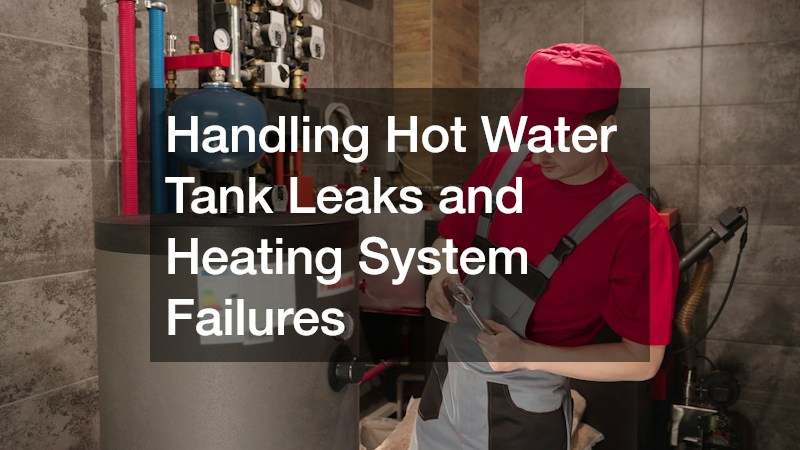
A sudden breakdown of your home hot water system creates immediate domestic disruption, discomfort, and potential structural water damage. Traditional tank-style heating systems constantly maintain anywhere from 30 to 80 gallons of scalding water under continuous municipal pressure. Over years of operation, dissolved minerals in hard water settle at the bottom of the steel storage tank, forming a thick insulating sediment layer that causes the gas burner or lower electric heating elements to overheat the tank floor repeatedly. This severe thermal stress eventually breaks down the internal protective glass lining, causing water to corrode through the outer steel shell and pool around the base of the utility unit.
If you discover water leaking from your main water heater, act quickly to contain the unit and prevent complete tank failure. Shut off the cold water supply valve located directly above the unit to stop incoming water pressure, and disconnect the power supply by switching off the electric breaker or turning the gas control valve to the “Off” or “Pilot” setting. Check the temperature and pressure relief valve near the top of the tank, as a leaking valve may simply be discharging excess thermal pressure rather than indicating a ruptured inner tank.
If the heating element has failed, the thermostat is malfunctioning, or a minor valve fitting is leaking, scheduling prompt water heater repair can quickly restore hot water without requiring a full unit replacement. Replacing faulty upper or lower heating elements, resetting tripped thermal overload switches, or installing a fresh temperature and pressure valve are straightforward, cost-effective procedures that restore full heating capacity. Taking swift action on minor electrical or plumbing glitches on heating units prevents minor component failures from overheating the system. However, if the main internal steel tank itself has rusted through and split, the entire tank must be drained safely using a garden hose attached to the bottom drain valve and replaced by a qualified specialist to protect your utility room from massive flooding. Regular maintenance on storage tanks, such as flushing out bottom sediment once a year, extends operational life and preserves energy efficiency by removing loose scale before it forms a calcified crust across heating surfaces.
Securing Reliable Restoration and Preventive Inspections
Once the immediate crisis is contained and active flooding has ceased, attention must turn to complete structural restoration and long-term prevention. Even minor water leaks can seep behind decorative baseboards, saturate wall insulation, and soak deep into carpet padding within hours. Left untreated, trapped moisture creates an ideal breeding ground for toxic mold and mildew colonies within 24 to 48 hours, compromising interior air quality and rotting structural studs. Thoroughly dry all affected areas using high-velocity air movers and commercial dehumidifiers, and remove any heavily saturated insulation, drywall, or underlayment that cannot be fully sanitized and restored.
To prevent future emergencies from occurring, transition your home management strategy from reactive troubleshooting to proactive routine maintenance. Addressing minor plumbing glitches—such as a slightly running toilet valve, a dripping showerhead, or a slow sink drain—prevents small mechanical weaknesses from escalating into major midnight pipe ruptures. Regularly inspecting supply lines on washing machines, dishwashers, and ice makers is equally vital, as flexible rubber hoses degrade over time and should be replaced with durable braided stainless steel connectors every five years.
Contracting a trusted local plumbing repair technician to fix minor drips, adjust high incoming municipal water pressure, and replace aging appliance hoses keeps your household systems operating at peak efficiency. Establishing an ongoing relationship with a certified plumbing service allows you to schedule comprehensive annual home inspections. Professional technicians evaluate your pressure-reducing valves, inspect visible drainage lines, check tank sacrificial anode rods, and test main emergency shut-off valves, ensuring your entire domestic water system remains secure, efficient, and fully protected against unexpected future crises. Comprehensive maintenance checks should also include inspecting outdoor spigots and backflow preventers before winter cycles begin. Disconnecting garden hoses prior to the first freeze allows trapped water to drain, preventing concealed ice expansion from splitting pipes inside exterior walls.
Protecting Your Home Through Preparation and Quick Action

Managing a sudden home water emergency requires a clear head, basic system knowledge, and immediate physical intervention. By knowing the precise location of your main water shut-off valve, understanding how to safely relieve line pressure, and keeping basic containment tools accessible, you can successfully stop active flooding before it destroys your living space. Remembering to avoid harsh chemical drain clearers and taking immediate steps to cut electrical power near standing water ensures that both your home and your family remain completely safe throughout the situation.
Ultimately, systematic home preservation is far less expensive and stressful than managing structural mold remediation or sudden interior water damage. Taking time today to locate your valves, inspect visible supply lines, and store emergency contacts for trusted regional specialists creates a robust protective defense around your property. Small, consistent efforts spent on preventive care pay massive dividends in long-term structural resilience, lower repair bills, and overall peace of mind. By investing in proactive maintenance and staying prepared for unexpected pipe or fixture failures, you ensure that your home remains a safe, comfortable, and well-protected sanctuary for many years to come.