Sustainability at home is not only about dramatic renovations or expensive technology. Often, the most meaningful improvements come from choosing projects that reduce waste, improve efficiency, extend the life of the home, and make everyday living more comfortable. A sustainable home performs better because its systems work together instead of fighting against drafts, aging materials, poor water quality, or inefficient equipment.
For many homeowners, the challenge is knowing where to begin. A home may need better temperature control, stronger exterior protection, cleaner water, or lower-maintenance outdoor spaces. The best approach is not to tackle random upgrades whenever something breaks. It is to look at the house as a long-term investment and choose improvements that solve current problems while preventing future ones.
The projects below can help homeowners create a more efficient, durable, and environmentally responsible home without turning the process into an overwhelming remodel.
Improving Water Quality While Reducing Household Waste
Clean, reliable water is easy to take for granted until appliances start showing mineral buildup, dishes come out cloudy, or family members start relying heavily on bottled water. Water quality improvements can support sustainability in two important ways: they can reduce waste from disposable bottles and help household appliances work more efficiently for longer.
A practical first step is to understand what is actually in the water. Homeowners can start with a basic water test to check for hardness, chlorine, sediment, and other common issues. From there, it becomes easier to decide whether the home needs point-of-use treatment, whole-home treatment, or a combination of both.
Water filtration systems can be especially helpful for households that frequently buy bottled water. A well-chosen system can make tap water more pleasant to drink and cook with, which reduces plastic waste over time. The right option depends on the home’s water source, local water quality, and family needs.
Homeowners should also think about long-term upkeep. Water softener system maintenance helps prevent mineral buildup that can affect plumbing fixtures, water heaters, dishwashers, and washing machines. When these systems are ignored, they may become less effective and put extra strain on appliances. A simple maintenance schedule can include checking salt levels, cleaning the brine tank when needed, and scheduling professional inspections if performance changes.
This type of project may not look as exciting as a visible renovation, but it can quietly improve daily life and help the home operate more efficiently.
Strengthening Exterior Protection Against Energy Loss
A sustainable home needs a strong outer shell. When the exterior is damaged, poorly sealed, or outdated, heating and cooling systems have to work harder to keep the indoor space comfortable. That wasted energy often shows up as higher utility bills, uneven room temperatures, and moisture problems.
Homeowners can begin with a slow walk around the property. Look for cracks, gaps, warped materials, peeling paint, and areas where moisture seems to collect. Pay close attention after heavy rain or windy weather. Small warning signs often reveal where the home is losing efficiency.
Siding plays a major role in protecting the home from weather, pests, and temperature swings. When it is cracked, loose, or poorly insulated, the home can become more vulnerable to air leaks and moisture intrusion. Replacing or repairing damaged exterior materials can improve both durability and comfort.
The goal is not always to choose the most expensive product. It is to select materials that make sense for the climate, require reasonable maintenance, and hold up well over time. Fiber cement, insulated vinyl, engineered wood, and other durable options may all be worth considering depending on the home’s design and location.
A homeowner might notice one chilly wall in the winter or one room that always feels hotter than the rest of the house in summer. Those comfort issues can sometimes trace back to exterior weaknesses. Fixing them can make the home feel better while reducing unnecessary energy use.
Choosing Entry Upgrades That Improve Daily Efficiency
Entry points matter more than many homeowners realize. Large openings, especially those connected to garages or utility areas, can allow air transfer that affects comfort inside the home. Older garage doors may have weak seals, poor insulation, or worn hardware that allows drafts and outdoor temperatures to creep in.
When upgrading, homeowners should look beyond appearance. A better door can improve thermal performance, operate more smoothly, and last longer with less frequent repair. Insulated models are especially useful when the garage is attached to the house, used as a workspace, or located below a finished room.
A thoughtful selection process should include:
- Checking the insulation value and weather seals.
- Choosing durable materials suited to the local climate.
- Looking for smooth, efficient operation.
- Reviewing warranty coverage before purchasing.
- Considering how the upgrade affects curb appeal and resale value.
Homeowners comparing garage door companies should ask about installation practices, product options, service warranties, and maintenance recommendations. Even a high-quality product can underperform if it is installed poorly.
This is a good example of a sustainability upgrade that blends function and comfort. Better garage doors can reduce drafts, improve security, and support the overall efficiency of the home without requiring a full-scale renovation.
Extending Roof Life Through Preventive Planning
A roof is one of the most important sustainability features of a home because it protects nearly everything beneath it. When roofing problems are ignored, the result can be water damage, insulation issues, mold growth, and premature material replacement. Preventive planning helps homeowners avoid wasteful emergency repairs and expensive structural damage.
The best habit is routine observation. After storms, homeowners should look for missing shingles, sagging areas, granules in gutters, water stains on ceilings, or debris collected in roof valleys. These signs do not always mean a full replacement is needed, but they do mean the issue should be investigated.
A qualified roofer can help determine whether a problem is minor, moderate, or urgent. This matters because small repairs often extend the life of the roof significantly. Replacing a few damaged shingles or fixing flashing around a chimney is far less wasteful than waiting until leaks spread into the attic or walls.
When replacement eventually becomes necessary, working with a roofing company that understands ventilation, insulation, and energy-efficient materials can make a major difference. A roof should not simply shed rain. It should also help control heat gain, manage moisture, and support the home’s overall energy performance.
Some homeowners may benefit from reflective materials, improved attic ventilation, or upgraded underlayment. Others may simply need better installation practices and a product that can handle local weather conditions. Either way, the most sustainable roof is one that is properly installed, well maintained, and built to last.
Upgrading Comfort Systems for Lasting Efficiency
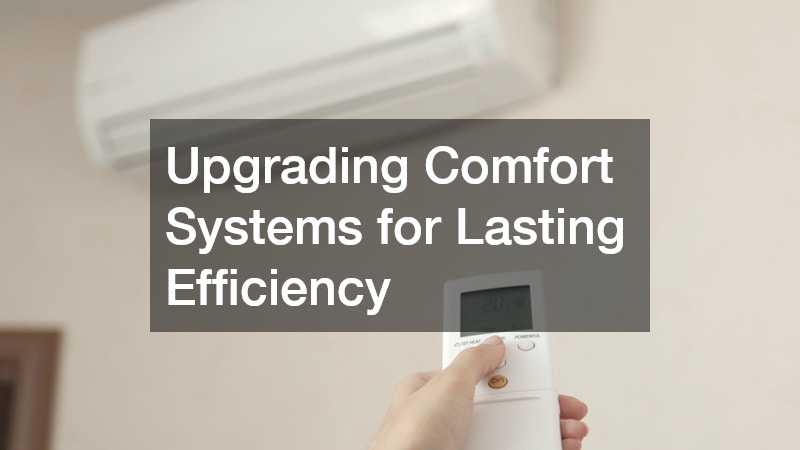
Heating and cooling account for a large share of household energy use, so comfort upgrades can have a major impact on sustainability. The key is to avoid guessing. Many homeowners replace equipment with a similar model without asking whether the existing system was the right size, type, or design for the home.
Oversized equipment can cycle on and off too frequently, wasting energy and creating uneven temperatures. Undersized equipment may run constantly and still fail to keep the home comfortable. Before making changes, homeowners should consider insulation levels, window performance, duct condition, room layout, and lifestyle habits.
A heating contractor can evaluate these factors and recommend improvements that fit the home rather than relying on a one-size-fits-all approach. In some cases, sealing ductwork or improving insulation may be just as important as replacing equipment.
For certain areas, a mini split ac can be a smart solution. It allows homeowners to control comfort in specific rooms or zones without conditioning the entire house. This can be helpful for additions, converted garages, home offices, guest rooms, or spaces that never seem to match the rest of the home’s temperature.
Instead of forcing one central system to solve every comfort problem, zoned equipment gives homeowners more control. That control can reduce wasted energy and improve comfort where it is needed most.
Redesigning Outdoor Spaces With Fewer Resources
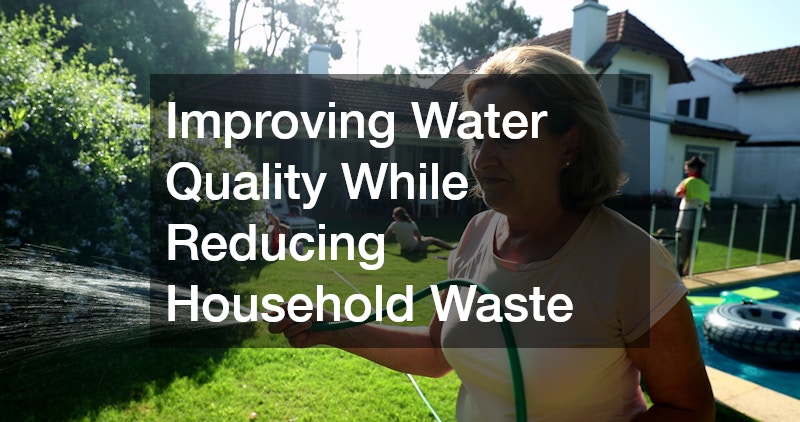
Outdoor improvements are often judged by appearance first, but sustainability should be part of the planning process from the beginning. A beautiful yard or pool area can still waste water, energy, and maintenance materials if it is not designed thoughtfully.
For homeowners considering pool remodels, the goal should be to improve both enjoyment and efficiency. That might mean updating old equipment, choosing more durable surface materials, improving circulation, or redesigning surrounding spaces to reduce runoff and maintenance demands.
A more sustainable outdoor plan may include native or drought-tolerant plants, permeable hardscaping, efficient pumps, LED lighting, and shade features that reduce heat buildup. These choices can make outdoor areas more comfortable while lowering resource use.
It helps to think about how the space is actually used. A family that swims every weekend may need a different plan than a household that mostly wants a low-maintenance backyard for relaxing in the evening. The most sustainable design is one that supports real habits instead of creating features that require constant upkeep but rarely get used.
Homeowners should also consider long-term maintenance before choosing materials. A low-cost option that cracks, fades, or needs frequent replacement may create more waste over time than a higher-quality choice that lasts for years.
Creating a Practical Plan for Better Long-Term Results

Sustainable home improvement works best when homeowners create a roadmap instead of reacting to one problem at a time. That does not mean every project has to happen immediately. In fact, a phased approach is often more realistic and more affordable.
Start by identifying the biggest pain points in the home. Is one room always uncomfortable? Are utility bills rising? Are exterior materials deteriorating? Are appliances wearing out faster than expected? These clues can help homeowners prioritize projects based on impact.
A practical roadmap might include three categories:
- Urgent repairs that prevent damage
- Efficiency upgrades that reduce monthly costs
- Long-term improvements that improve comfort, durability, or value
This approach also helps homeowners combine projects wisely. For example, exterior repairs may pair well with insulation upgrades. Comfort system changes may work better after air leaks are sealed. Water quality improvements may protect appliances before they need replacement.
Budget matters, but the cheapest project is not always the most sustainable one. A slightly higher upfront investment may be worthwhile if it reduces energy use, lowers repair needs, or extends the lifespan of important systems. Homeowners should look at the total cost of ownership, not just the initial quote.
It is also useful to document improvements over time. Keep records of repairs, warranties, product details, maintenance schedules, and utility bills. This information helps homeowners track whether upgrades are performing as expected and can be valuable when selling the home later.
Making Sustainability Part of Everyday Homeownership
Long-term sustainability is not created by a single project. It comes from making smarter decisions each time the home needs attention. A homeowner who chooses durable materials, maintains equipment, improves efficiency, and plans upgrades carefully can reduce waste while creating a healthier, more comfortable living space.
The best projects solve real problems. They make rooms easier to heat and cool. They protect the home from weather. They reduce unnecessary water and energy use. They also help homeowners avoid the cycle of quick fixes that lead to bigger repairs later.
Another often-overlooked aspect of sustainability is routine maintenance. Even the most efficient upgrades lose value if they are neglected over time. Simple habits such as replacing air filters, inspecting seals around windows and doors, cleaning gutters, checking for water leaks, and scheduling annual equipment inspections can help systems operate at peak performance. These small tasks reduce wear and tear, prevent costly breakdowns, and extend the lifespan of major home components. When homeowners combine preventive maintenance with strategic upgrades, they create a home that not only consumes fewer resources but also remains more reliable, comfortable, and cost-effective for years to come.
A more sustainable home does not have to feel complicated or out of reach. By focusing on durability, efficiency, and thoughtful planning, homeowners can make improvements that support both their daily comfort and the long-term value of the property.