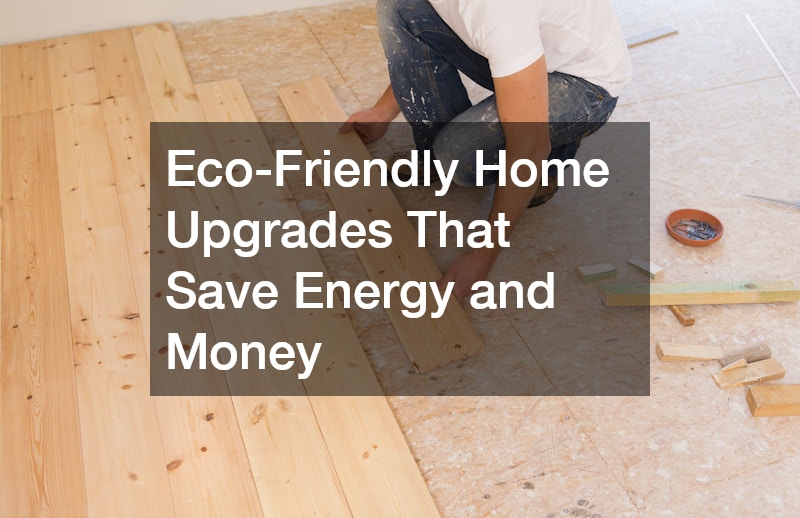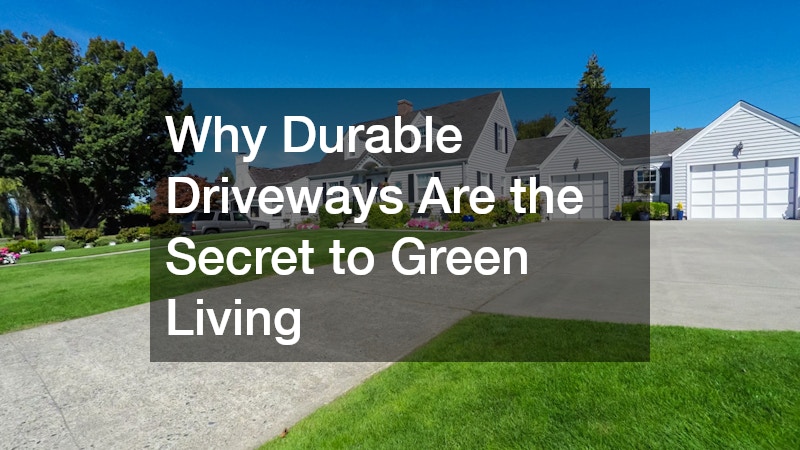
Sustainability is often discussed in terms of what we can bring inside our homes, such as low-flow showerheads, LED lightbulbs, or organic cotton linens. However, the true frontier of eco-friendly living lies just beyond the front door. The exterior infrastructure of a property, specifically the driveway and the garage area, represents a massive investment of raw materials and energy. When these elements are poorly constructed, they become environmental liabilities that require frequent reconstruction, contributing to landfill waste and the continuous consumption of finite resources.
Engineering the Foundation for Longevity
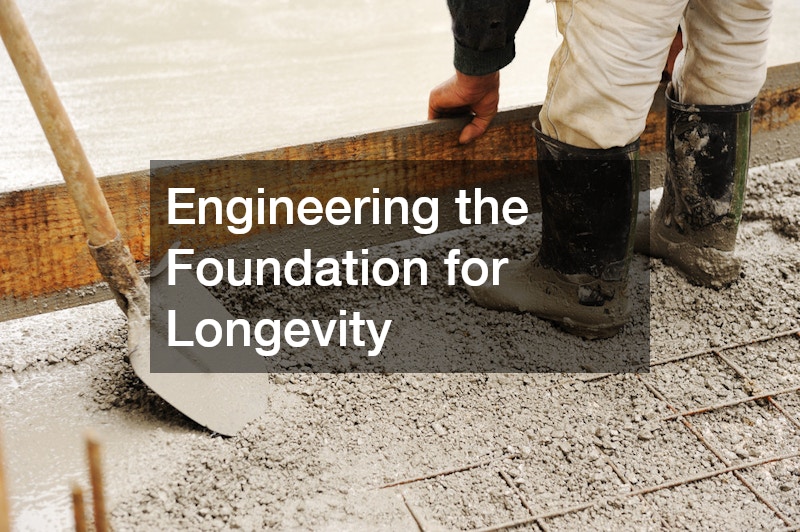
The journey toward a sustainable exterior begins with the choice of materials and the precision of their application. Many homeowners overlook the fact that a driveway is not just a path for a vehicle; it is a complex, multilayered system designed to support weight and resist the elements. When you choose a high-quality asphalt paving for your home, you are opting for a material that is one of the most recycled products in the world. Modern mixtures often incorporate reclaimed shingles and old pavement, reducing the need for new petroleum-based binders and virgin aggregates.
The success of this installation depends heavily on the expertise of the crew handling the project. Engaging a reputable paving service ensures that the sub-base is compacted correctly and that the hot-mix is applied at the optimal temperature. A well-executed job prevents the premature oxidation and cracking that often leads to total replacement. By prioritizing professional installation, you avoid the cycle of “rip and replace” that plagues cheaper, less durable options, keeping tons of debris out of local landfills over the coming decades.
To ensure your foundation stands the test of time, consider these structural factors:
- Soil Stabilization: Testing the load-bearing capacity of the earth beneath the driveway to prevent shifting.
- Aggregate Sizing: Using various sizes of crushed stone to create a locking mechanism that resists ruts.
- Thermal Regulation: Understanding how the thickness of the material affects its ability to expand and contract during seasonal shifts.
Managing Water Runoff to Protect Local Ecosystems
Water is the primary enemy of structural integrity and a major factor in environmental degradation. Without a proper drainage strategy, rainwater picks up oil, chemicals, and debris from the driveway surface and carries them directly into the municipal storm drains or local waterways. A sustainable driveway must be designed to direct this water toward natural filtration areas like rain gardens or bioswales. Precision grading ensures that the water moves quickly enough to prevent pooling but slowly enough to avoid eroding the surrounding landscape.
One of the most effective ways to manage this flow is through the implementation of asphalt curb services. These raised edges act as a guide, preventing water from washing over the sides of the driveway and saturating the soft soil underneath. By containing the water within the paved area until it reaches a designated exit point, you protect the structural edges of the pavement from crumbling. This minor addition significantly extends the lifespan of the entire installation while protecting your yard from erosion.
The person responsible for this design is usually a professional driveway contractor who understands the local topography and rainfall patterns. These experts can calculate the necessary pitch and slope required to handle a hundred-year storm event without flooding your garage or basement. Their role is to balance the aesthetic desires of the homeowner with the hydraulic realities of the land. Investing in this level of planning is an eco-friendly choice because it prevents the catastrophic failures that lead to emergency repairs and wasted resources.
- Key drainage components for a green driveway:
- Catch Basins: Strategically placed grates that collect water and sediment.
- Permeable Borders: Using gravel or pavers along the edges to allow for natural filtration.
- Pitch and Grade: A minimum slope of one percent to ensure gravity does the heavy lifting.
Shielding Assets with Recyclable Structures
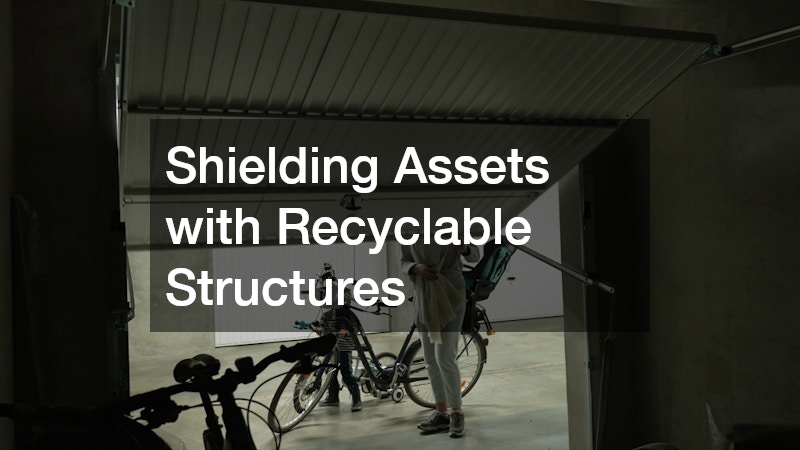
While the surface of the driveway is vital, the structures that sit atop it play an equally important role in a sustainable lifestyle. Protecting your vehicles from UV rays and extreme weather is a form of conservation; it extends the life of paint, plastics, and rubber components, meaning you can drive your car for more years before needing a replacement. Instead of building a permanent, high-mass wooden structure, many eco-conscious homeowners are turning to lightweight, modular solutions.
Installing a metal carport is an excellent way to provide this protection with a minimal environmental footprint. Steel is the most recycled material on the planet, and these structures can be disassembled and recycled again at the end of their very long life. Unlike wood, which requires chemical treatments to prevent rot and termites, steel remains stable without leaching toxins into the soil. Furthermore, the reflective surface of a light-colored metal roof can help mitigate the heat island effect on your property.
- Benefits of modular metal structures:
- Rapid Assembly: Less time on-site means less disruption to the local ecosystem.
- Durability: Resistance to fire, pests, and rot without the use of harsh pesticides.
- Solar Integration: The flat or sloped roofs are ideal surfaces for mounting small-scale solar panels to power outdoor lighting.
Maximizing the Thermal Envelope of the Home
The relationship between the driveway and the garage is a critical point of energy exchange for the entire house. For many homes, the garage is the largest unconditioned space, acting as a buffer between the outdoors and the living quarters. If this space is not managed correctly, it can suck heat out of the home in the winter and bake the interior in the summer. The largest opening in this envelope is the main door, which must be both durable and highly insulated to maintain energy efficiency.
Choosing heavy-duty overhead doors with a high R-value is one of the most impactful green upgrades you can make. These doors utilize thick layers of polyurethane insulation sandwiched between steel or aluminum skins to prevent thermal bridging. When the door is closed, it should create a near-airtight seal against the floor and the jambs. This reduces the workload on your home’s HVAC system, especially if there are bedrooms or living spaces located directly above or adjacent to the garage.
Maintaining this seal requires regular attention and professional care. You should rely on a local garage door repair company to perform annual inspections of the rollers, tracks, and weather stripping. A door that is out of alignment will not close tightly, leaving gaps that allow conditioned air to escape. By repairing components rather than replacing the entire system, you adhere to the sustainable principle of maintenance over consumption. This local approach also reduces the carbon emissions associated with shipping heavy parts over long distances.
Enhancing Efficiency with Smart Access Points

Modern technology offers several ways to make the transition between the driveway and the home more efficient. Every time a garage door is opened, a massive amount of air is exchanged. In the heat of summer, this can raise the temperature of the garage by twenty degrees in a matter of seconds. Speed and reliability are therefore essential for energy conservation. A door that opens and closes quickly and reliably ensures that the exposure time is kept to an absolute minimum.
A professional garage door opener installation allows for the use of smart technology that can be monitored via smartphone. You can ensure the door is never left open by mistake, which is a common cause of energy waste. Newer DC-powered motors also use significantly less electricity than older AC models and operate with much less noise pollution. These systems often include battery backups, ensuring that the home remains secure and efficient even during power outages caused by extreme weather.
- Auto-Close Timers: Prevents the door from staying open if you forget to hit the button.
- Motion-Sensing Lights: Uses LED bulbs that only turn on when activity is detected.
- Energy Monitoring: Tracks the power usage of the motor and accessories.
Transforming Concrete into a Lifetime Surface
The interior of the garage or any secondary concrete pads on your property should be treated with the same longevity mindset as the driveway. Bare concrete is porous and prone to “dusting,” which is the breakdown of the top layer of the slab into fine particles. It also absorbs oils and chemicals, which can eventually seep through the slab and into the ground. Sealing these surfaces is an essential step in creating a clean, non-toxic, and durable home environment.
One of the most popular ways to protect these areas is through the application of epoxy flooring. This thick, resinous coating creates a non-porous barrier that is incredibly easy to clean with just water and mild soap, eliminating the need for harsh degreasers. Epoxy is also extremely reflective, which can significantly increase the brightness of a room without the need for additional light fixtures. This “free” light makes the space more usable for DIY projects and hobbies, further encouraging a culture of repair and reuse.
For those who prefer a more breathable finish, a specialized concrete floor coating can offer protection while allowing moisture vapor to escape from the slab. These coatings are often water-based and low-VOC, meaning they do not off-gas harmful chemicals into your home’s air supply. By preventing the concrete from cracking and spalling, you ensure that the original slab lasts for the entire life of the house. This avoids the massive carbon expenditure of breaking up old concrete and pouring new material, which is one of the most energy-intensive processes in the construction industry.
The Synergy of Sustainable Systems
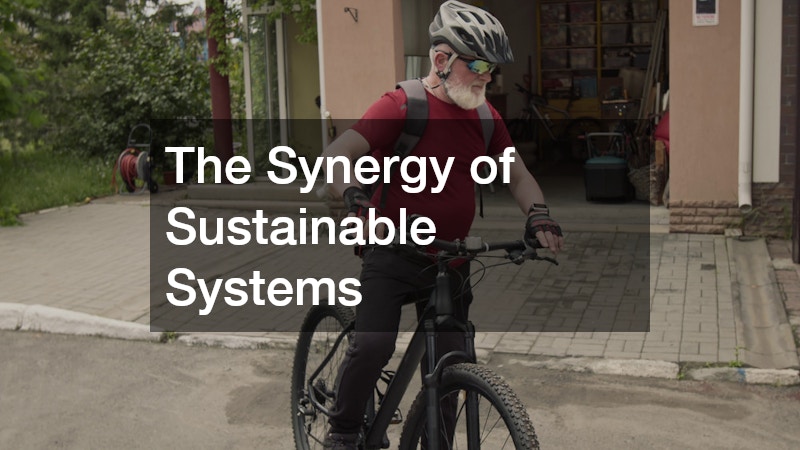
When you look at your home as a collection of interconnected systems, the value of a durable driveway becomes clear. It is the conduit for your transportation, the primary drainage system for your land, and the first line of defense for your home’s interior temperature. When these systems are built with high-quality materials and professional labor, they require fewer chemical treatments and less frequent intervention. This creates a peaceful, low-maintenance lifestyle that allows you to focus on other sustainable practices like gardening or composting.
The environmental impact of your choices ripple outward. By choosing local contractors and high-quality materials, you support a circular economy that values craftsmanship over convenience. A driveway that lasts forty years is a gift to the future, reducing the total amount of industrial activity required to maintain your property. This is the essence of green living: making wise, durable choices today that preserve the world’s resources for tomorrow.
Practical Maintenance for the Eco-Conscious Homeowner
To keep your high-quality installations functioning at their peak, a proactive maintenance schedule is required. This does not have to be an expensive or chemical-heavy process. In fact, most sustainable maintenance involves simple tasks that prevent small issues from becoming major failures. For the driveway, this means keeping the surface clear of debris and checking the drainage points after every major storm. If you notice a small crack, filling it immediately prevents water from reaching the sub-base and causing a pothole.
Inside the garage, maintenance means keeping the tracks of the overhead door clean and lubricated with non-toxic silicone spray. Check the bottom seal of the door for any signs of wear or light peeking through, as this is a sign that pests or air are entering the space. For the floor, a simple sweep and an occasional damp mop will keep the protective coatings looking new for years. These small acts of stewardship are what transform a house into a sustainable home.
True sustainability is not a trend; it is a commitment to the long-term health of our planet and our immediate surroundings. When we choose to build with the best available methods and maintain those structures with care, we reduce our reliance on the industrial machine that thrives on obsolescence. Your driveway may seem like a simple slab of material, but it is actually a statement of your values. It represents your dedication to quality, your respect for engineering, and your desire to leave a smaller, cleaner footprint on the world. As you continue to upgrade your home, let the principle of durability be your guiding star, ensuring that every project you undertake contributes to a more sustainable and resilient future.